Temps De Cuisson Coquelet En Crapaudine Au Four

Okay, picture this: it's Sunday, the sun is (finally!) shining, and you've got that "I'm-going-to-cook-something-amazing" feeling. I was there just last week. I'd bought a coquelet – you know, those little baby chickens? – and decided, on a whim (because, why not?), to cook it *en crapaudine*. Now, I'd seen chefs on TV do this, making it look all effortless and elegant. Let's just say *my* first attempt… resembled roadkill more than fine dining. But hey, that's how we learn, right?
Which brings us to the important question: how long do you actually need to cook a coquelet *en crapaudine* in the oven? Because trust me, no one wants a raw bird... unless you're a bear.
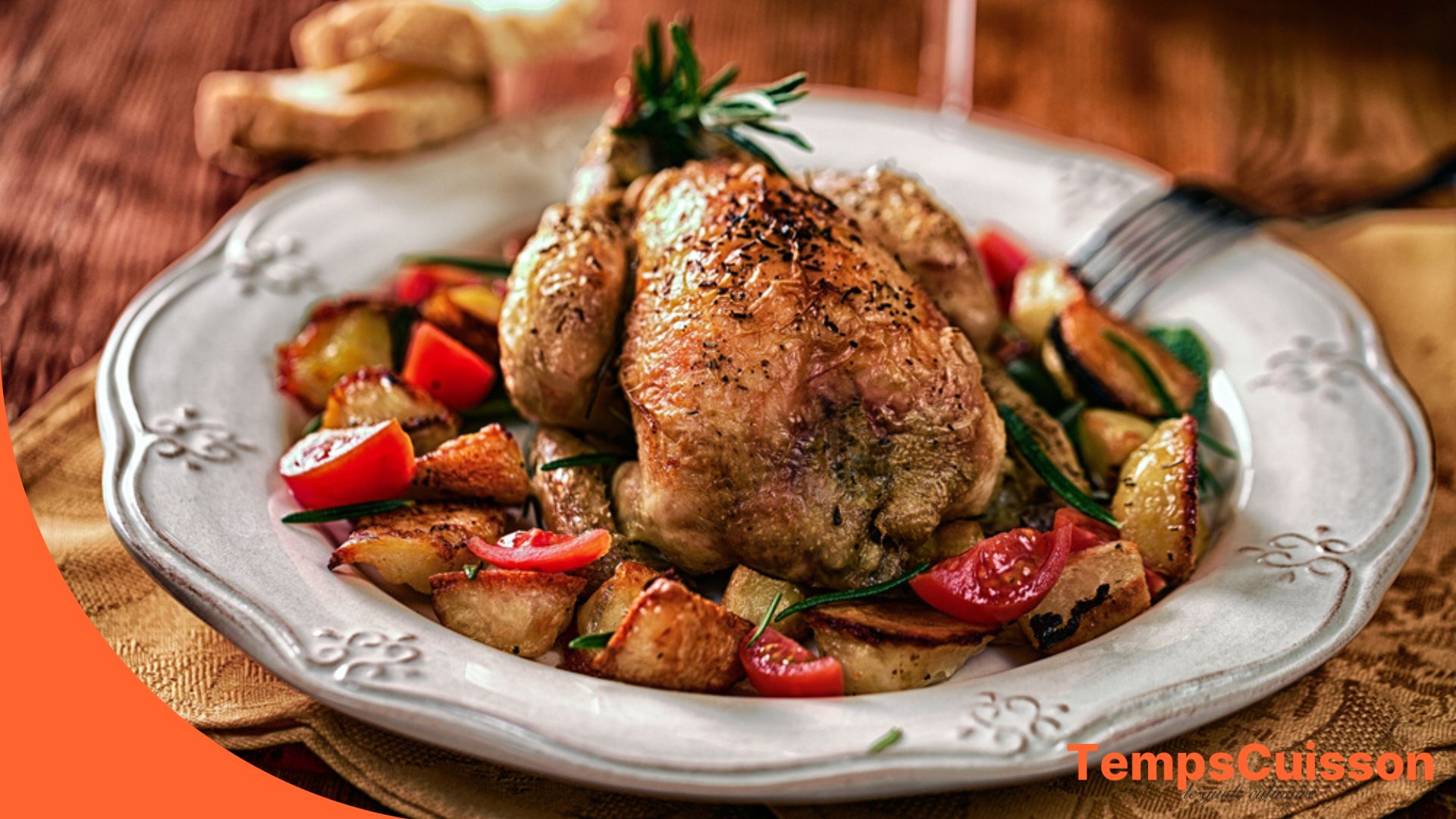
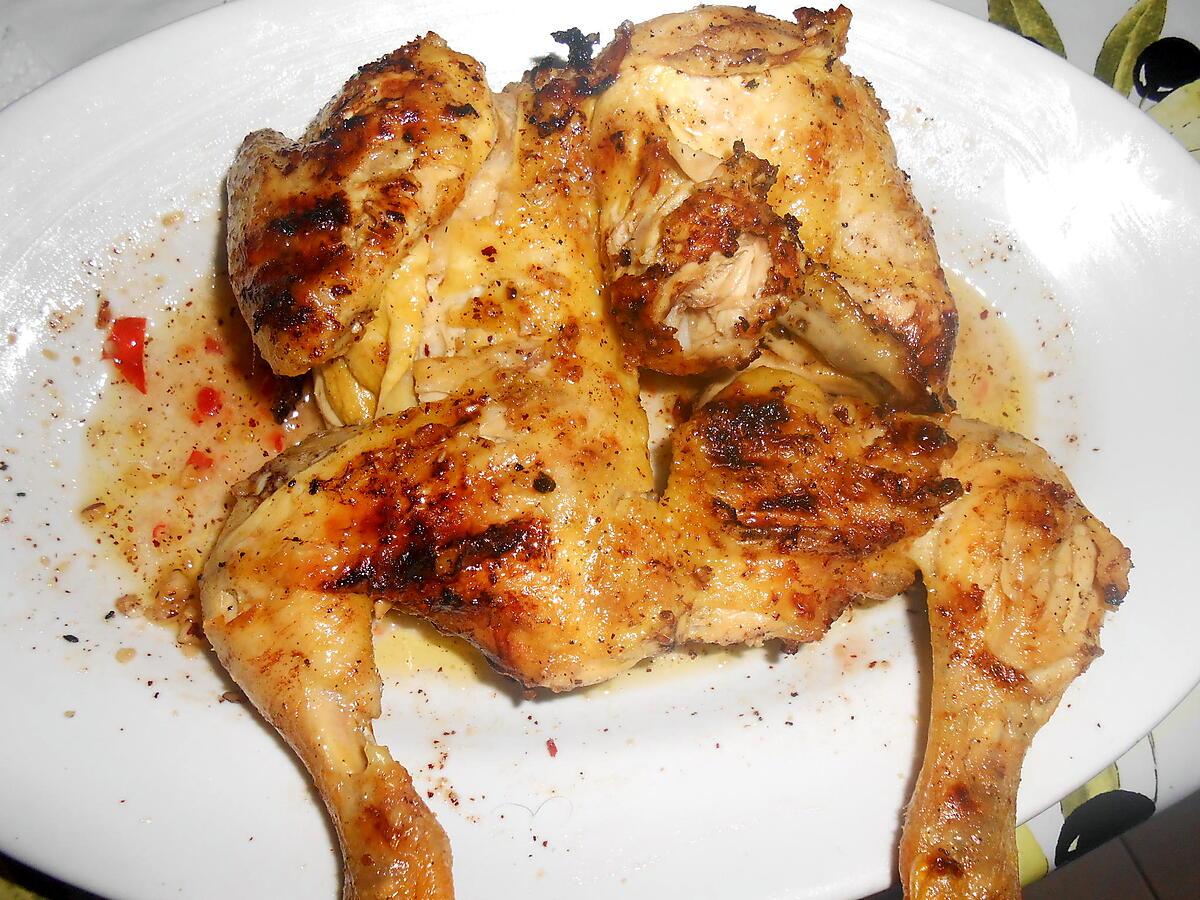
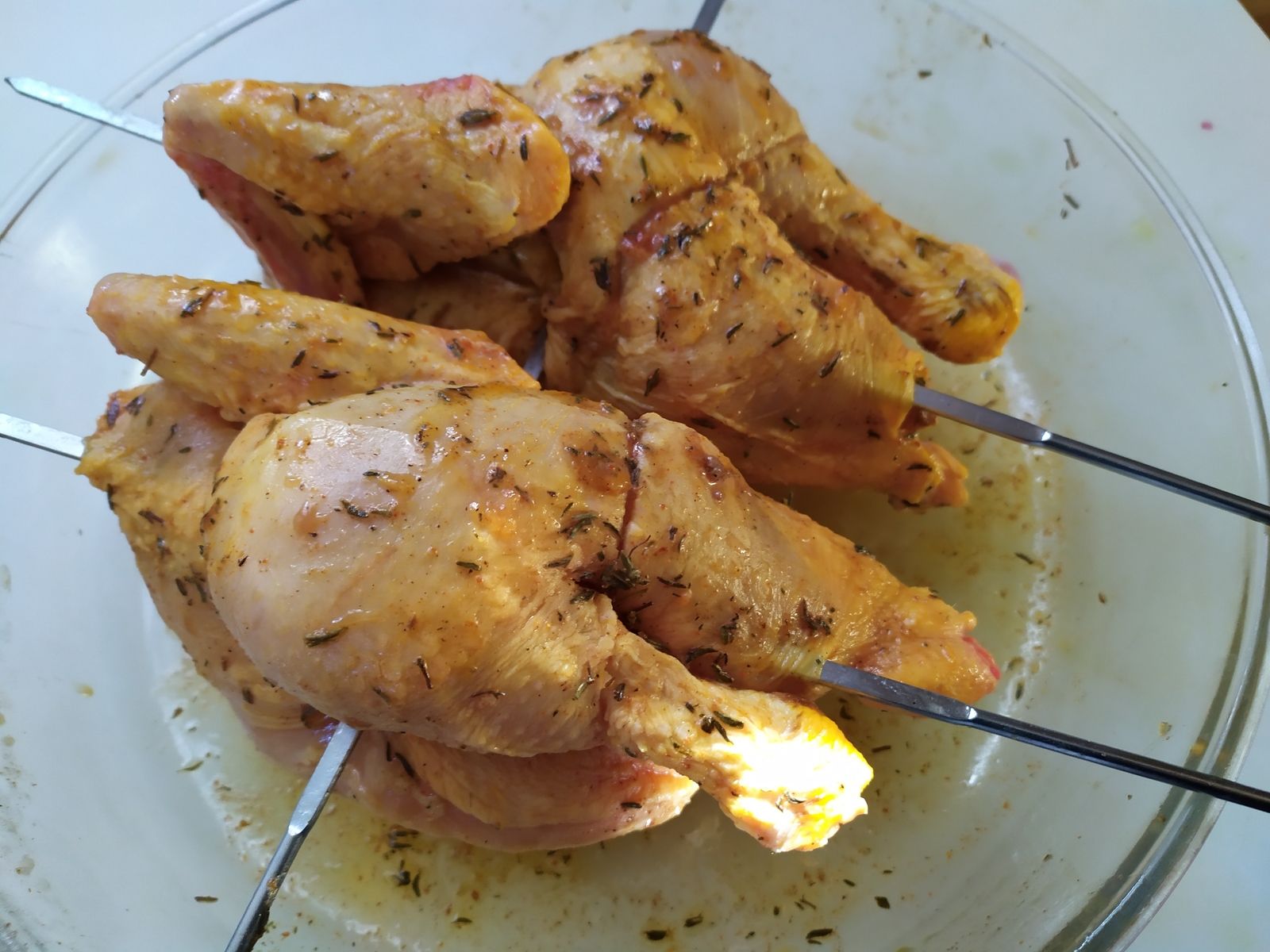
First things first: what *is* cooking *en crapaudine*? Basically, it's butterflying the bird, flattening it out, and grilling or roasting it. It allows for even cooking and a gloriously crispy skin. Think of it as the chicken equivalent of sprawling out on a beach towel. (Except, you know, less sandy.)
So, What's the Magic Number?
Alright, let's get down to brass tacks. The cooking time for a coquelet *en crapaudine* really depends on a few things: the size of the coquelet, the oven temperature, and whether or not you trust your oven (mine lies to me constantly, I swear!).
Generally speaking, you're looking at around 35-45 minutes at 180°C (350°F). However, and this is a big however, it's absolutely crucial to check the internal temperature with a meat thermometer. We're aiming for 75°C (165°F) in the thickest part of the thigh. Don't skip this step! Trust me, it's the only way to guarantee it's cooked through.
Side note: if you don't have a meat thermometer, get one! They're cheap, and they'll save you from poultry-related anxieties for years to come.
Factors that Affect Cooking Time:
Here are a few things that can throw off our estimated cooking time:
- Coquelet Size: A bigger bird will, unsurprisingly, take longer. Use your common sense! Add a few minutes if yours looks particularly robust.
- Oven Temperature: Some ovens run hot, some run cold. If you know yours is a bit off, adjust accordingly. (Or, you know, get a new oven. Just kidding... mostly.)
- Starting Temperature: Did you take the coquelet straight from the fridge? Let it sit at room temperature for 30 minutes before cooking. It helps it cook more evenly.
Tips for a Perfect Coquelet *en Crapaudine*:
Now, for the good stuff – the secrets to coquelet perfection!
1. Pat it Dry: This is key for crispy skin! Use paper towels to thoroughly dry the coquelet before seasoning it. Excess moisture is the enemy of crispiness.
2. Season Generously: Don't be shy with the salt, pepper, herbs, and whatever else tickles your fancy. I like to use a mix of garlic powder, paprika, rosemary, and thyme. Get creative! (But maybe avoid glitter... unless you're feeling *really* adventurous.)
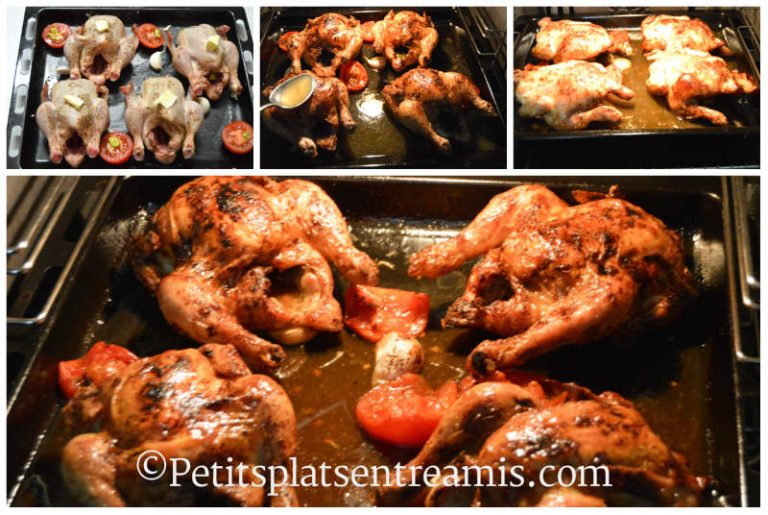
3. Elevate it: Place the coquelet on a wire rack inside a baking sheet. This allows air to circulate and encourages even browning.
4. Baste, Baste, Baste!: During the last 15-20 minutes, baste the coquelet with its own juices or some melted butter. This will make the skin even more golden and delicious.
5. Let it Rest: Once cooked, let the coquelet rest for 10-15 minutes before carving. This allows the juices to redistribute, resulting in a more tender and flavorful bird.
Final Thoughts:
Cooking a coquelet *en crapaudine* might seem intimidating at first, but it's actually pretty simple once you get the hang of it. The key is to pay attention, use a meat thermometer, and don't be afraid to experiment with seasonings. And remember, even if your first attempt is a disaster (like mine!), you can always try again. After all, practice makes perfect… or at least, slightly less roadkill-esque chicken. Bon appétit!