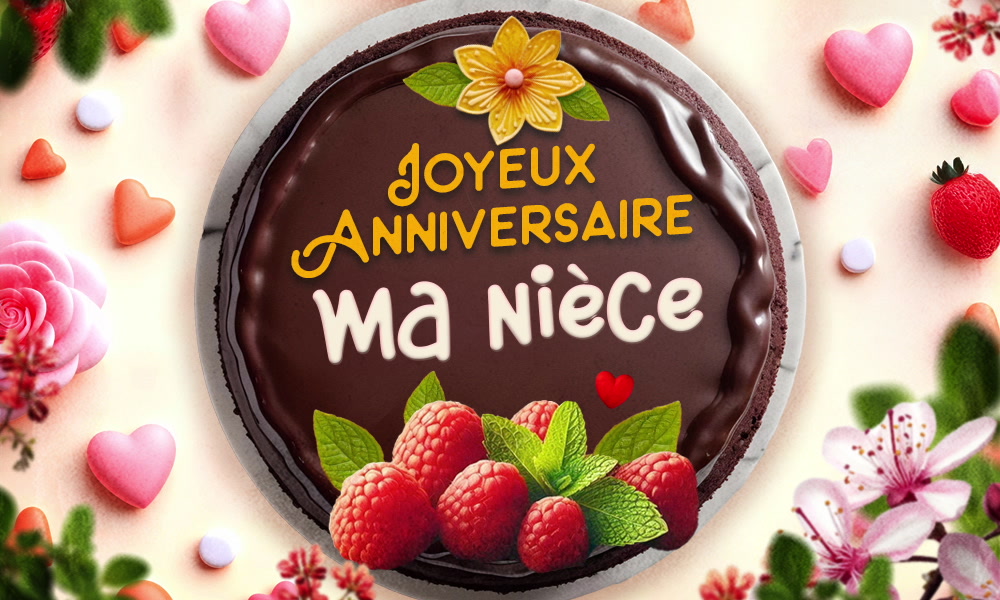
Joyeux Anniversaire Ma Nièce Que Dieu Te Protège
Ah, "Joyeux Anniversaire Ma Nièce Que Dieu Te Protège!" You hear it ringing out at family gatherings, see it splashed across Facebook posts, and even whispered in quiet, heartfelt moments. It's more than just a birthday greeting; it's a warm hug in words, a cultural expression, and a powerful blessing all rolled into one.
So, why does this particular phrase resonate so deeply? Well, it taps into several core values. Firstly, it's about celebrating a birthday, a milestone in a young person's life. Birthdays are inherently joyful, moments of reflection on the past year and anticipation for the future. Acknowledging someone's birthday shows you care and value their presence in your life.
Secondly, and perhaps more importantly, it's about family. Specifically, it highlights the cherished bond between an aunt/uncle and their niece ("Ma Nièce"). This relationship is often one of special affection, offering guidance, support, and a playful connection outside of the immediate parent-child dynamic. By using the phrase "Ma Nièce", you're acknowledging that special relationship, strengthening the ties that bind your family together.
Finally, the inclusion of "Que Dieu Te Protège" (May God Protect You) elevates the greeting from a simple "Happy Birthday" to a sincere blessing. This adds a layer of spiritual depth, expressing hope for the niece's well-being, safety, and happiness throughout her life. In many cultures, invoking divine protection is a sign of deep love and concern.
How does this translate into real life? Imagine Sophie, who lives far from her niece, Élise. Unable to attend Élise's birthday party, Sophie posts a heartfelt message online: "Joyeux Anniversaire Ma Nièce Que Dieu Te Protège! Je suis si fière de la jeune femme que tu deviens. Gros bisous!" The message conveys not only birthday wishes but also a sense of pride and a prayer for Élise's future. Or think about Jean, who always ends his birthday cards to his niece with the phrase, hand-written in elegant calligraphy. It's a tradition she cherishes, a tangible symbol of his love and blessing.
Want to incorporate this beautiful sentiment into your own interactions? It's easier than you think! You don't need to be fluent in French beyond this phrase. Practice the pronunciation - it's easier than it looks! Think about adding a personal touch. After saying "Joyeux Anniversaire Ma Nièce Que Dieu Te Protège," you could add a specific wish for her year ahead, like "Que cette année t'apporte la joie et la réussite dans tes études" (May this year bring you joy and success in your studies). Or, if you're not religious, you could adapt the phrase to something like "Joyeux Anniversaire Ma Nièce, je te souhaite tout le bonheur du monde!" (Happy Birthday Niece, I wish you all the happiness in the world!). The key is to express your love and good wishes in a way that feels genuine to you.
Ultimately, "Joyeux Anniversaire Ma Nièce Que Dieu Te Protège" is more than just a phrase; it's a cultural bridge, a family affirmation, and a heartfelt blessing. It's a reminder of the importance of family ties, the power of sincere wishes, and the beauty of expressing love and care in a meaningful way. So, go ahead, use it with confidence and watch the joy it brings!