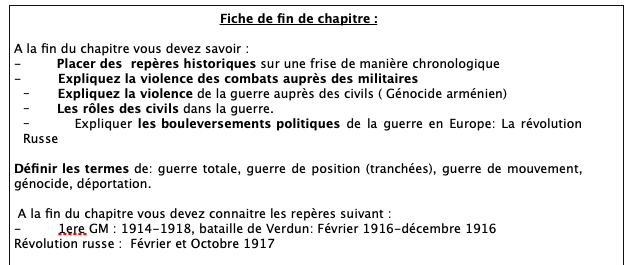
Fiche De Révision Sur La Première Guerre Mondiale

Okay, imagine this: me, frantically searching through a dusty box in my grandma's attic. I'm supposed to be finding old family photos for a school project (procrastination level: expert), but instead, I stumble upon a stack of yellowed letters, all tied together with a faded ribbon. Turns out, they were from my great-great-uncle, writing home from the trenches. Seriously intense stuff! Made me realize I knew, like, nothing about the First World War beyond the bare minimum. Time for a crash course, eh?
So, for all of us who need a little refresher (or a full-blown intervention) on the *Première Guerre Mondiale*, let's dive into a quick and dirty *fiche de révision*. Think of it as your survival kit for that history exam, or, you know, just for sounding smart at your next dinner party. Nobody wants to be *that* person who confuses WWI with WWII.
Les Causes: Why Did They Do It?!
Alright, let's get this straight. There wasn't just *one* reason for WWI. It was more like a perfectly rotten stew of factors simmering for years. Think of it as Europe's relationship problems reaching a boiling point.
First up: Le nationalisme. Everyone was super proud of their country, almost to a fault. "My country is the best!" kinda vibes, which inevitably led to tension. Add to that l'impérialisme, where big countries were grabbing up colonies left and right. (Resource competition? You bet!). Plus, let’s not forget le militarisme. Armies were getting bigger and badder, and everyone was itching to use them. Like having a shiny new toy you *really* want to play with.
And the *pièce de résistance*? Les alliances. Basically, everyone had each other's backs. "If you mess with my friend, you mess with me!" This meant that a relatively small incident – like the assassination of Archduke Franz Ferdinand (more on that later) – could quickly escalate into a massive, continent-wide war. Because everyone was entangled. So much for "keeping the peace", right?
L'Étincelle: The Spark That Lit the Fire
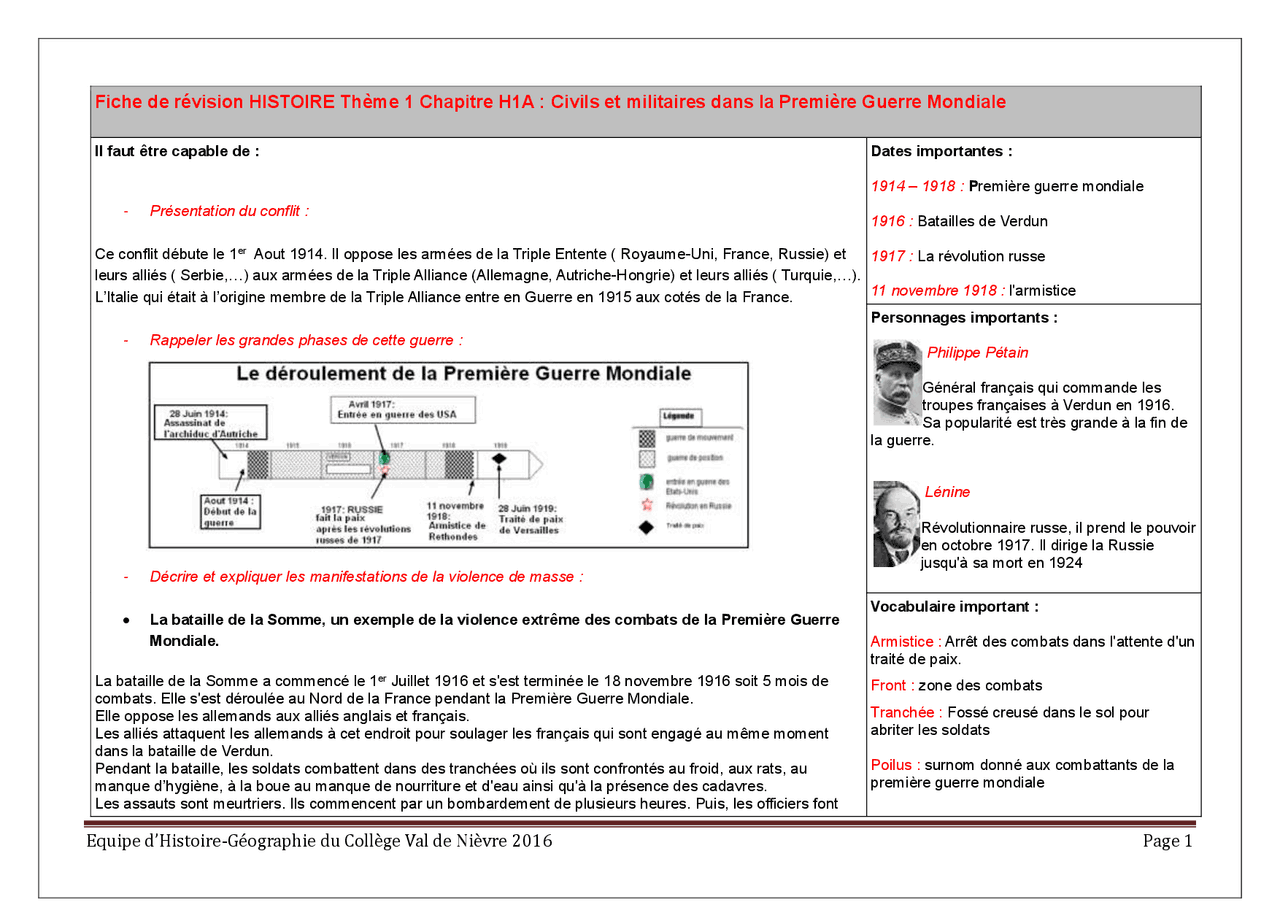
So, who was Archduke Franz Ferdinand, you ask? He was the heir to the Austro-Hungarian throne. (Fancy!) In 1914, he and his wife were assassinated in Sarajevo by a Serbian nationalist. Boom! Instant crisis.
Austria-Hungary, understandably furious, declared war on Serbia. But remember those alliances? Russia jumped in to defend Serbia. Germany, allied with Austria-Hungary, declared war on Russia and then France. Then Germany invaded Belgium (neutral territory!) to get to France, which brought Britain into the mix. And just like that, we’re off to the races… or, well, to the trenches.
Le Déroulement: Trench Warfare is… Not Fun
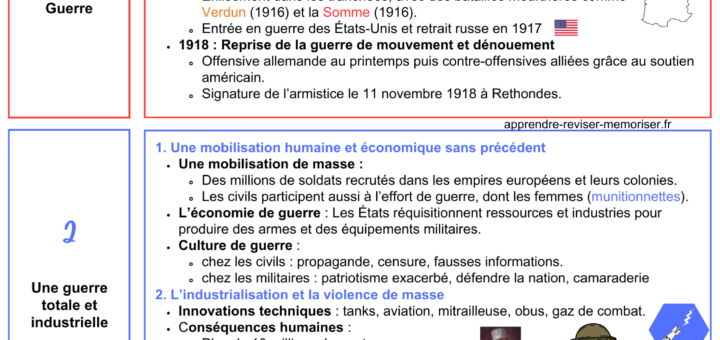
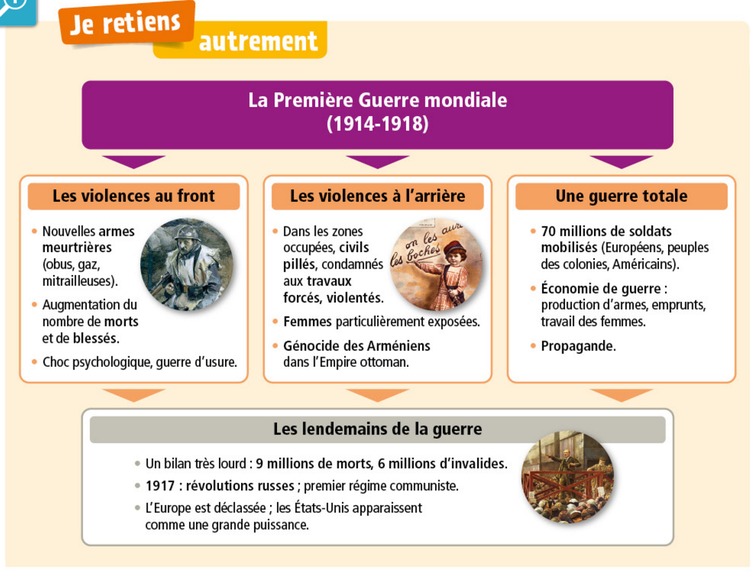
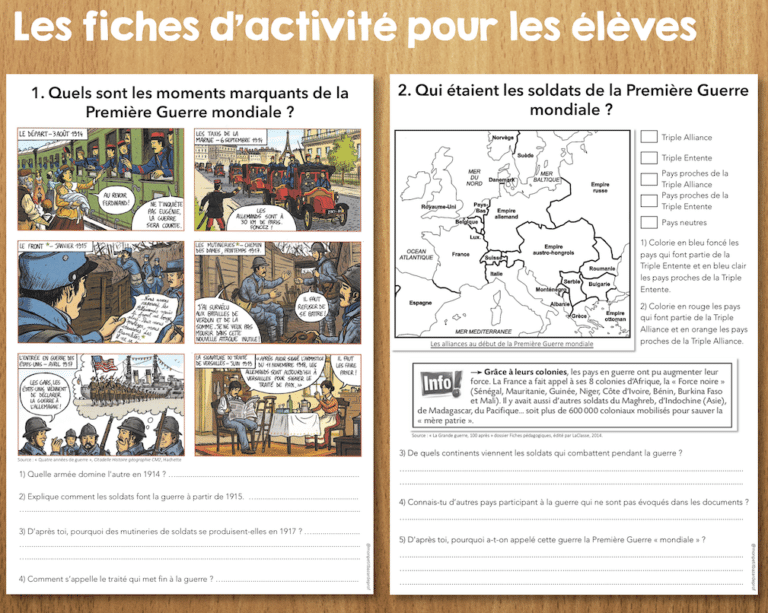
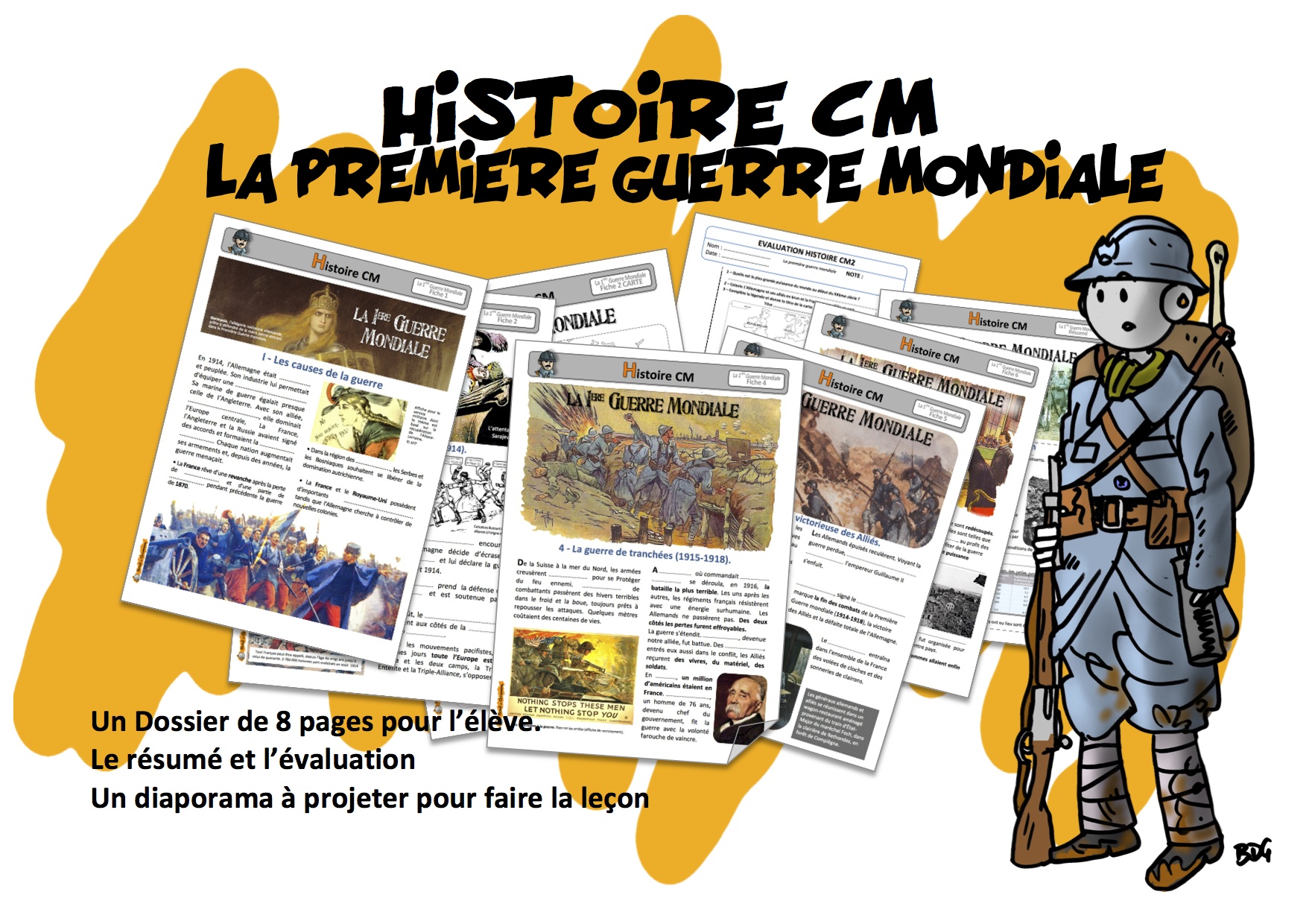
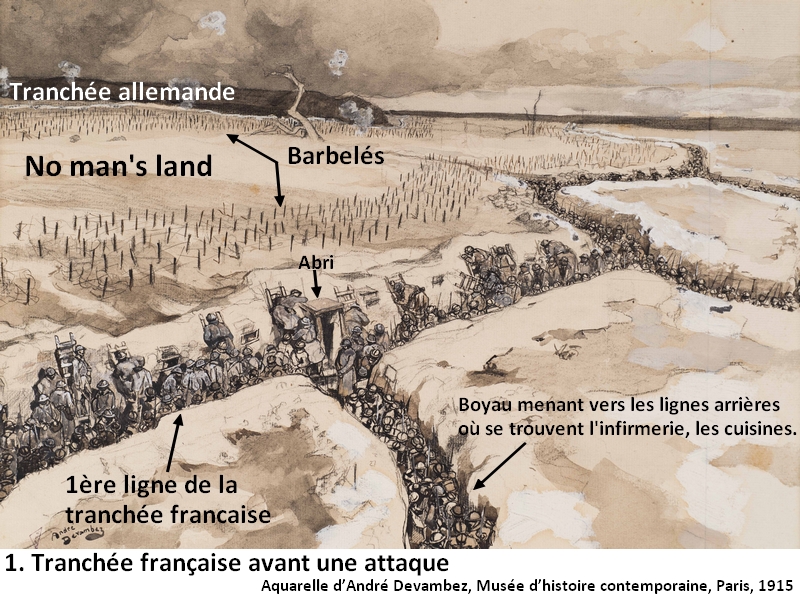
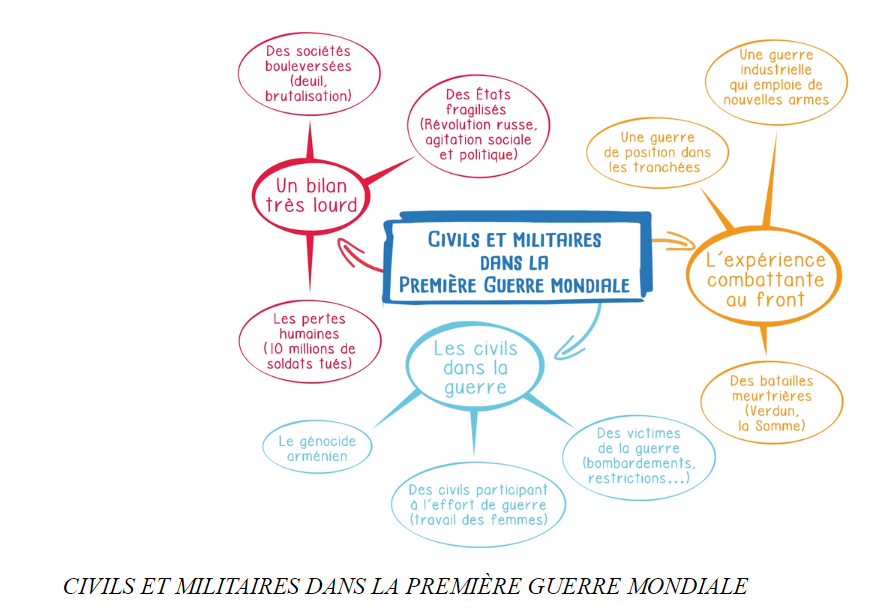
The First World War is often remembered for its guerre de tranchées – trench warfare. Imagine long, muddy ditches stretching for miles across the landscape. Soldiers lived in these trenches for months, facing not only enemy fire but also rats, disease, and constant fear. Not exactly a holiday camp, huh?
The fighting was brutal and often resulted in stalemate. Think about it: if you charge out of the trench to take no-man's land, you face machine gun fire. But if you stay in the trench, you face disease and constant shelling. *Damned if you do, damned if you don't.*
Major battles like la bataille de la Somme and la bataille de Verdun resulted in hundreds of thousands of casualties with very little ground gained. It was a war of attrition, where each side tried to wear the other down until they collapsed. Grim stuff.
Les Conséquences: The Aftermath
WWI finally ended in 1918 with the Armistice. But the consequences were far-reaching and devastating.
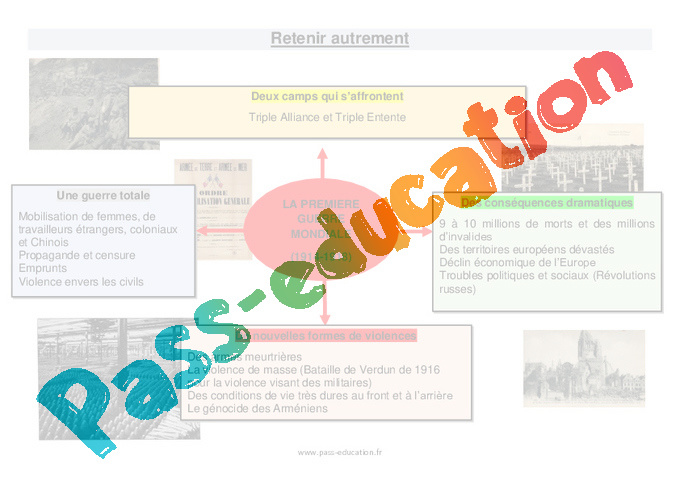
First and foremost, there were millions of deaths. Millions! Not to mention the wounded, the orphaned, and the grieving. It was a generation that had been scarred for life.
The Treaty of Versailles, which officially ended the war, imposed harsh terms on Germany. They had to pay huge reparations, give up territory, and disarm their military. (Spoiler alert: this didn't exactly lead to lasting peace; it actually sowed the seeds for WWII. Oops.)
The war also led to the collapse of empires – the Austro-Hungarian, Ottoman, and Russian empires all crumbled. New countries were formed in Europe, redrawing the map. And finally, WWI ushered in a new era of international relations, with the creation of the League of Nations (the predecessor to the United Nations) aimed at preventing future wars.
So there you have it: a super-condensed version of the First World War. Hopefully, this little *fiche de révision* will help you conquer that history exam or impress your friends with your newfound knowledge of early 20th-century European drama. Just remember: Nationalism, Imperialism, Militarism, Alliances... and don't forget that poor Archduke! Good luck!