En Cuisin Page De Garde

Okay, so picture this. Me. In art school. Deadlines looming. My professor, bless her soul, staring intensely at my portfolio. She flips through, nods, hmmms, and then stops dead. "Your *page de garde*…" she says, with the kind of tone that suggests I’d just insulted her grandmother. Turns out, my carefully constructed collage of magazine clippings and found objects… was apparently a *faux pas* of epic proportions. I mean, seriously, who knew a simple title page could be so controversial?
And that, my friends, is where my complicated relationship with the *en cuisine page de garde* began. It’s a concept that, while seemingly simple, can be a surprisingly big deal.
What *IS* an En Cuisine Page De Garde, Anyway?
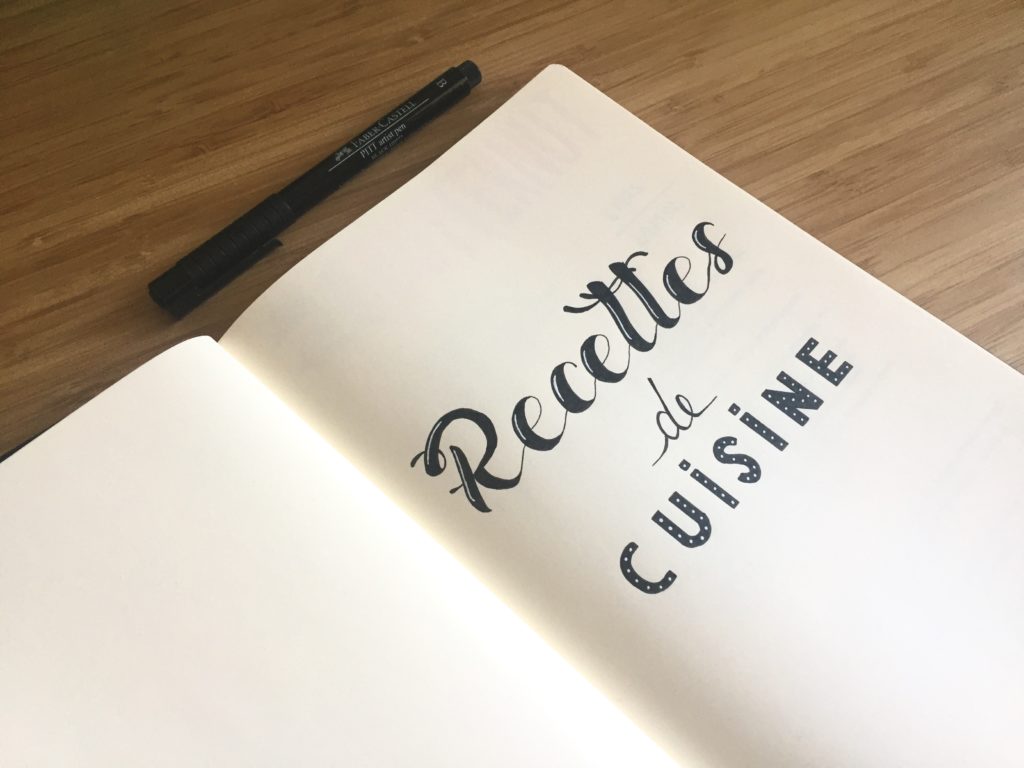
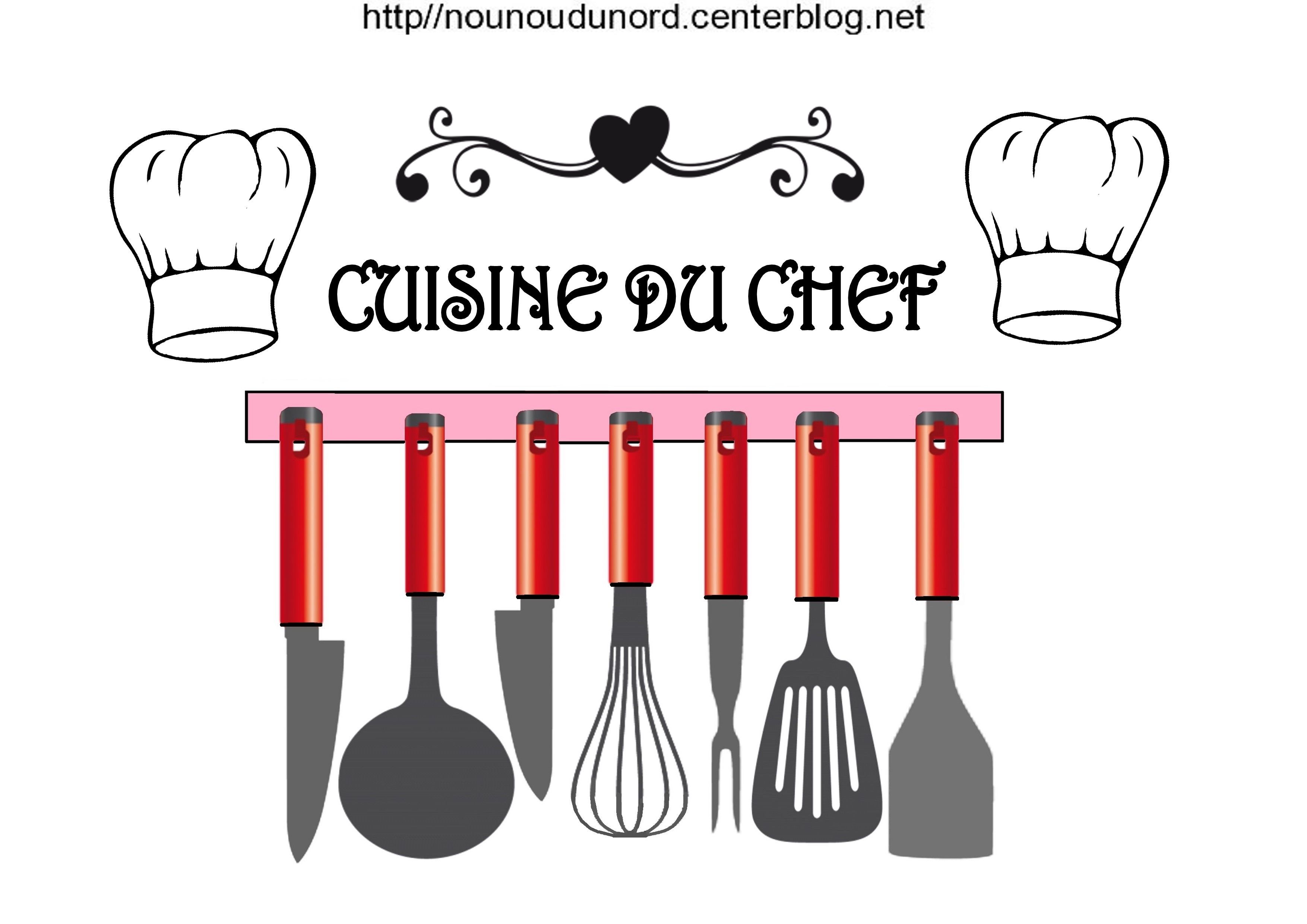
Simply put, it's the title page of your culinary creation. Think of it as the front cover of your recipe book, your meticulously planned menu, your thesis on the perfect soufflé. It’s the first impression, the handshake, the "Bonjour! I'm about to blow your culinary mind!" of your entire document. But it's more than just a title. It sets the tone, establishes the theme, and hints at the deliciousness to come.
You know, like when you see a beautiful photo on a cookbook cover and you just *know* the recipes inside are going to be amazing? That's the power of a good *page de garde* (sort of!).
Key Elements to Include:
Now, before you start panicking and having flashbacks to my art school disaster, let's break down what makes a good *en cuisine page de garde*. Think of it like a recipe… you need the right ingredients!
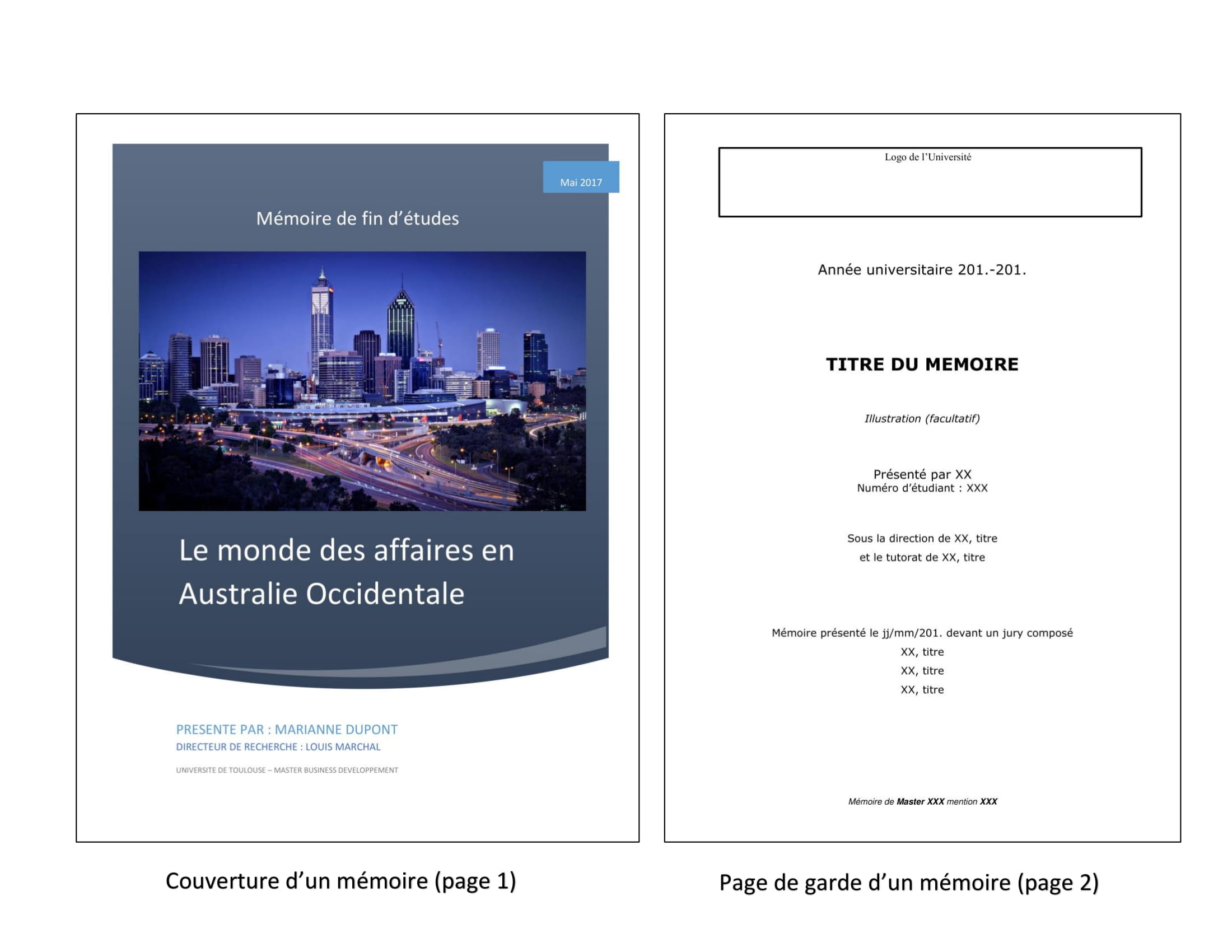
- Title: Duh. But make it interesting! Instead of just "Recipes," try "A Culinary Journey Through Tuscany" or "My Grandmother's Secret Recipes." Get creative!
- Your Name (or Team Name): Unless you're trying to maintain a mysterious air of culinary anonymity, let people know who's behind the magic.
- Date: Helpful for keeping track of versions and timelines. Especially if you're like me and tend to "improve" on things endlessly.
- A Short Description: A few sentences about what the document contains. A brief synopsis to whet the appetite, if you will. Think of it as the appetizer before the main course.
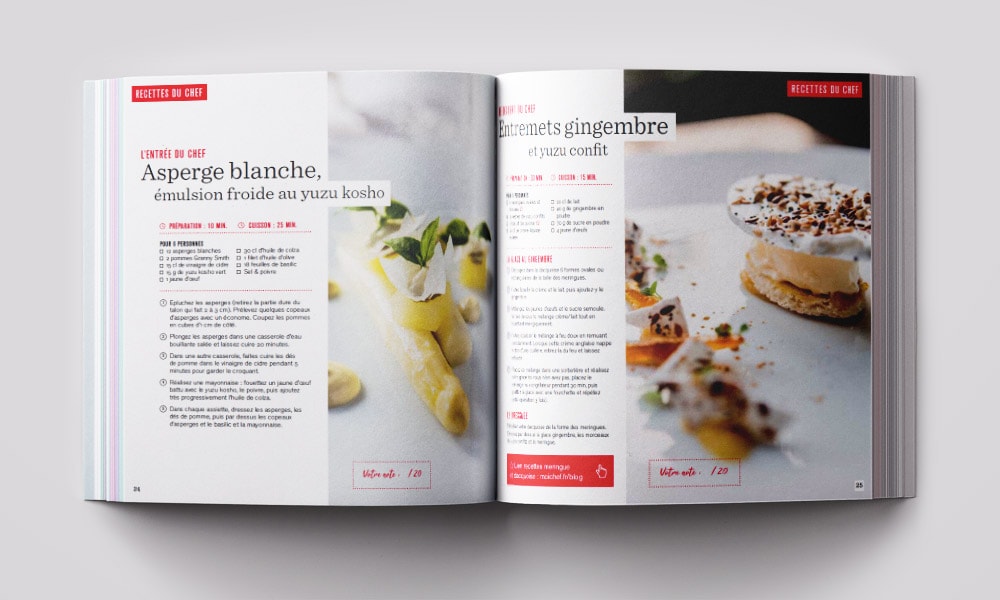
- Optional: A Relevant Image: A photo, an illustration, a graphic… something that visually represents the content. But be careful! Don’t overcrowd the page! Sometimes less is more (remember my art school professor’s withering gaze?).
Why Bother? Is It *Really* That Important?
Okay, I get it. You're thinking, "This is all just window dressing! The food is what matters!" And you're not entirely wrong. But consider this:
- Professionalism: A well-designed *page de garde* shows you've put thought and effort into your work. Especially important if you're presenting a menu to a client or submitting a culinary proposal.
- Organization: It immediately tells the reader what they're looking at. No more confused flipping through pages trying to figure out what the document is about.
- Branding: If you're creating a personal brand around your cooking, your *page de garde* is a great place to showcase your style. Think consistent fonts, colors, and imagery.
Think of it like this: you wouldn’t serve a gourmet meal on a chipped plate, would you? The *page de garde* is the presentation. It’s about adding that extra touch of polish.
Making Your En Cuisine Page De Garde Shine
So, how do you avoid my art school debacle and create a *page de garde* that's both informative and visually appealing?
- Keep it Simple: Don't overload the page with too much information or too many graphics. Clarity is key.
- Choose a Font Wisely: Legible and appropriate to the overall tone. No Comic Sans, please. (Unless you’re going for ironic, in which case… proceed with caution!)
- Use High-Quality Images: If you're using a photo, make sure it's clear and well-lit. No blurry snapshots from your phone! (Unless, again, that's the aesthetic you're going for. I’m not judging… much.)
- Consider Your Audience: Who are you creating this for? A formal presentation? A casual recipe share with friends? Tailor your design accordingly.
Ultimately, the *en cuisine page de garde* is about showing your passion for food and your attention to detail. It's the culinary equivalent of putting on your best apron before you start cooking. So go forth and create! And maybe, just maybe, my art school professor would finally approve.