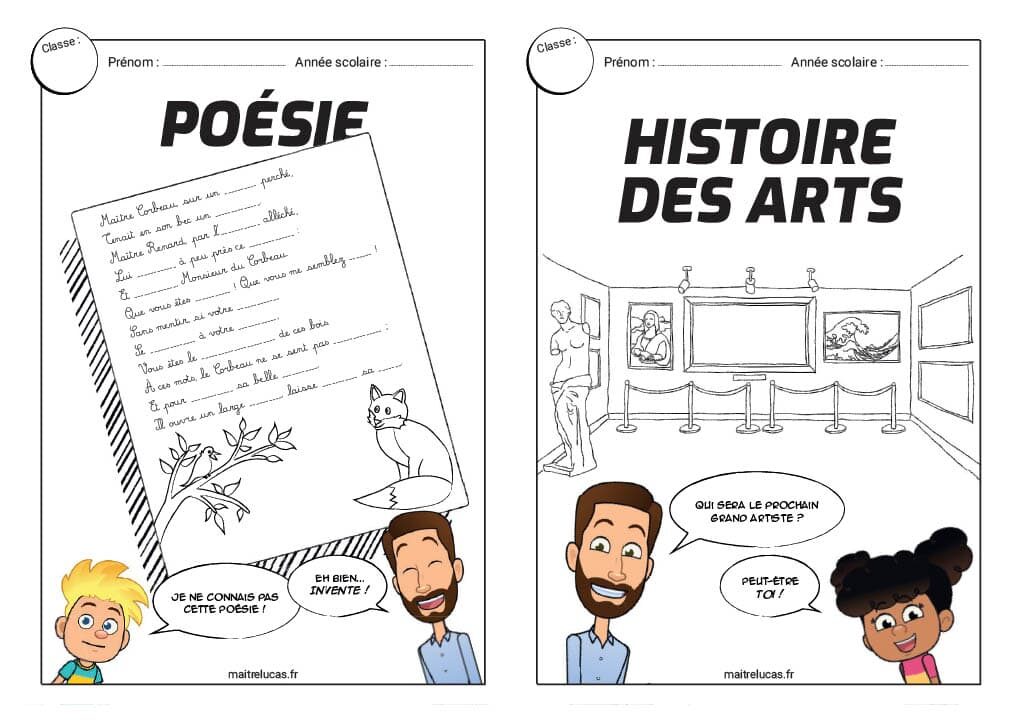
Definition Page De Garde
Okay, picture this: me, frantically searching for a document I *swear* I printed. I finally find it buried under a mountain of… well, let's just call it "creative chaos." And what do I see? A pristine, almost suspiciously clean page staring back at me. Just a title. Nothing else. I almost threw it away thinking it was a mistake! That, my friends, was my first real run-in with a page de garde. But what *is* it, really?
La Page de Garde: Demystified!
Essentially, a page de garde (or "guard page," for our English-speaking friends) is the *first page* of a document. Think of it like the bouncer at a club for your report, thesis, or presentation. Its job is to introduce the document and protect the content that follows. (Don't worry, it's not *actually* armed.)
Why Bother with a Page de Garde?
Good question! I mean, in this day and age of digital documents, does a simple title page really serve a purpose? Turns out, it does! And here's why:
- Professionalism: It adds a touch of class. Let's be honest, a well-designed page de garde makes your work look polished and professional. Think of it as the power suit for your document.
- Clarity: It immediately identifies what the document is about. No guessing games needed! The title, author, date, and any other relevant information are right there. Isn't that handy?
- Protection: In the olden days (aka before PDFs), it literally protected the rest of the document from getting grubby. Now it's more metaphorical protection against… boredom? Okay, maybe not. But it *does* separate your valuable content from the outside world.
- Branding: Especially useful for businesses, a page de garde can incorporate company logos, colors, and fonts, reinforcing brand identity. Subtle, yet effective!
What Goes On a Page de Garde?
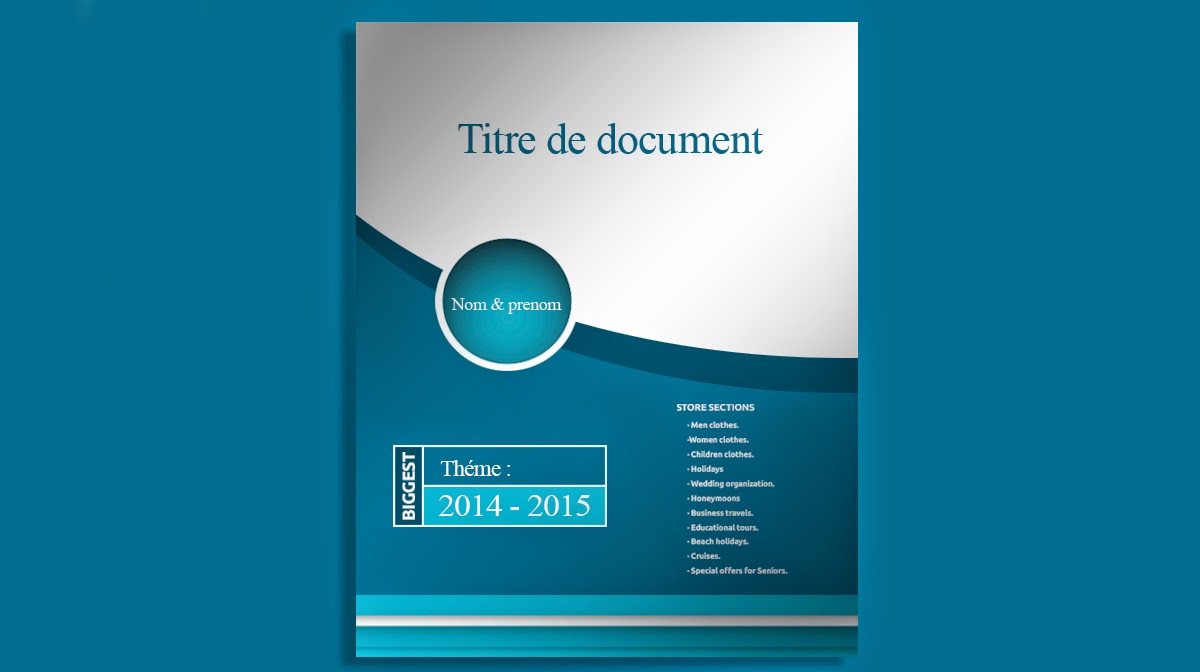
Okay, so you're sold on the idea. Now what do you actually *put* on this magical page? It varies depending on the context, but here are the usual suspects:
- The Title: This is the big one! Make it clear, concise, and engaging (if possible).
- Your Name (or the author's name): Who's responsible for this masterpiece?
- Date: When was it created? (Or, at least, when was the *final* version created?)
- Institution (if applicable): Are you a student? An employee? Let people know!
- Course Name/Department (if applicable): More context is always good.
- Logos (if applicable): For businesses and organizations.
Pro tip: Keep it clean and simple! Don't cram too much information onto the page. White space is your friend. (Trust me, I’ve seen some *terrible* page de gardes. Less is more!) A good page de garde is visually appealing and easy to read.
Page de Garde: Not Just for Formal Documents!
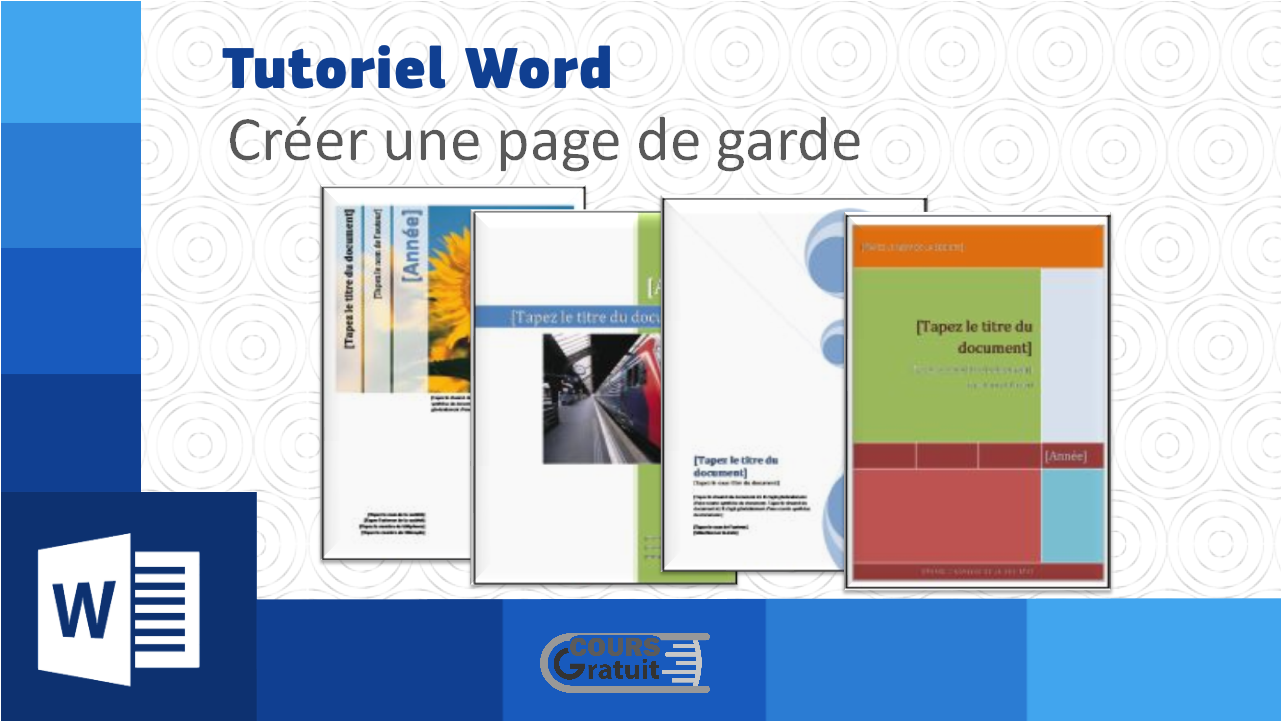
While pages de garde are commonly used for academic papers, reports, and business proposals, don't limit yourself! They can be useful for anything that needs a bit of extra polish.
Think about it: a recipe collection, a photo album, even a personalized gift. A well-designed page de garde can elevate anything from "meh" to "magnifique!"
So, the next time you're creating a document, take a few minutes to consider adding a page de garde. It might just be the little extra touch that makes all the difference. Allez, lancez-vous!

![Definition Page De Garde [Docx] Exemple page de garde pour une mémoire gratuite](https://blogger.googleusercontent.com/img/b/R29vZ2xl/AVvXsEhrDW1BWGhX_qLGZ09J06s-rZFK9F1hygm29zI54t3tZOyA5_q1SwvUa05SsmgqT86FLMcLqlzJzxUgV5sqYpVdk2LONJ_vGijIB4T38si1mqafjeuUIcJY-Mf-OBuy6gRlkSfqiXjKHpPn/w1600/[Docx]+Page+de+garde+pour+un++rapport+de+stage.jpg)


![Definition Page De Garde [Docx] Page de garde Business pour rapport](https://3.bp.blogspot.com/-BOdtfGJg9gQ/VGJIDEcyorI/AAAAAAAACLk/wsrjhFgs_sU/s1600/Modele%2BPage%2Bde%2Bgarde%2B%2BBusiness%2Bpour%2Brapport.PNG)


![Definition Page De Garde [DOC] Exemple page de garde word pour un rapport PFE](https://blogger.googleusercontent.com/img/b/R29vZ2xl/AVvXsEjpSlvXcHXBYWWQrRfW-nY1n-Oejep5BrnuAMCn3A9e8RwccHqEijcNHiPovYReC-RAO_P8TzNQj1KEK6fl4izxbXpzv_m8EgDqSFbnvrkQxTqfO0iOtUdIgpdw-J9x3JIOgRMW3_yRYou_/w1600/page+de+garde+word+de+pfe+modele+page+de+garde+format+word+2015.png)
![Definition Page De Garde [WORD] Un exemple de page de garde pour votre rapport de stage](https://1.bp.blogspot.com/-0uMRkDRVfQ8/XRXmBMtDnVI/AAAAAAAADfM/vtVcGRK8MB8d5dkpzJX4W2t89duePt7lQCLcBGAs/s1600/page%2Bde%2Bgarde%2Brapport%2Bde%2Bstage%2Bword%2B2019.PNG)