Comment Se Débarrasser Du Trèfle Dans Une Pelouse
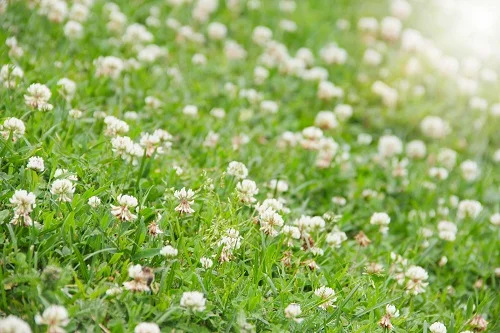
Okay, so picture this: last summer, I was *so* proud of my lawn. Lush green, perfectly manicured… Instagram-worthy, honestly. Then, BAM! I woke up one morning and it looked like a leprechaun had, well, thrown up clover everywhere. Tiny green invaders were taking over! My perfect lawn was now a clover playground. I was horrified. Anyone else been there? Don't worry, you're not alone in this verdant battle! And good news: there *is* hope. We're going to tackle this clover problem together!
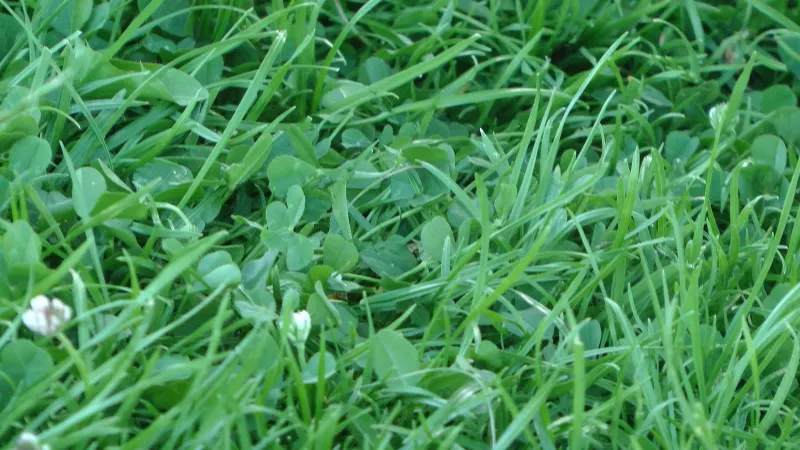
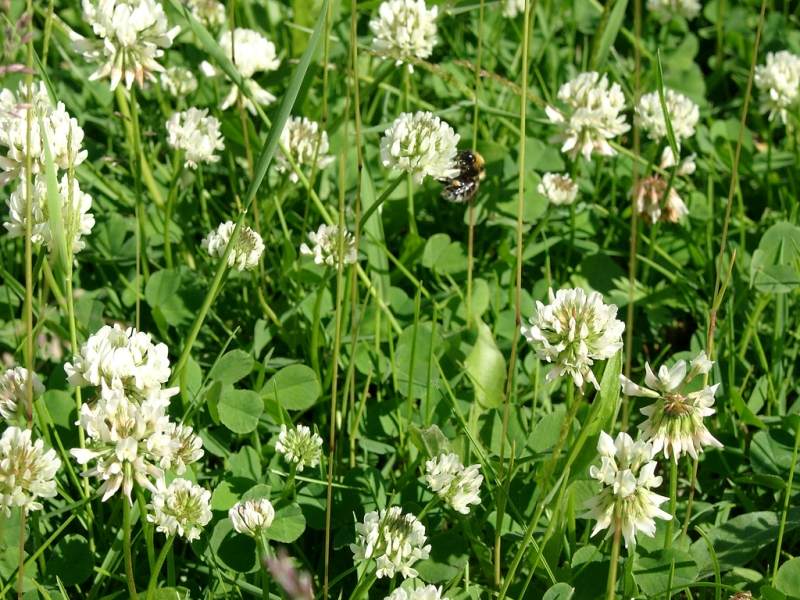
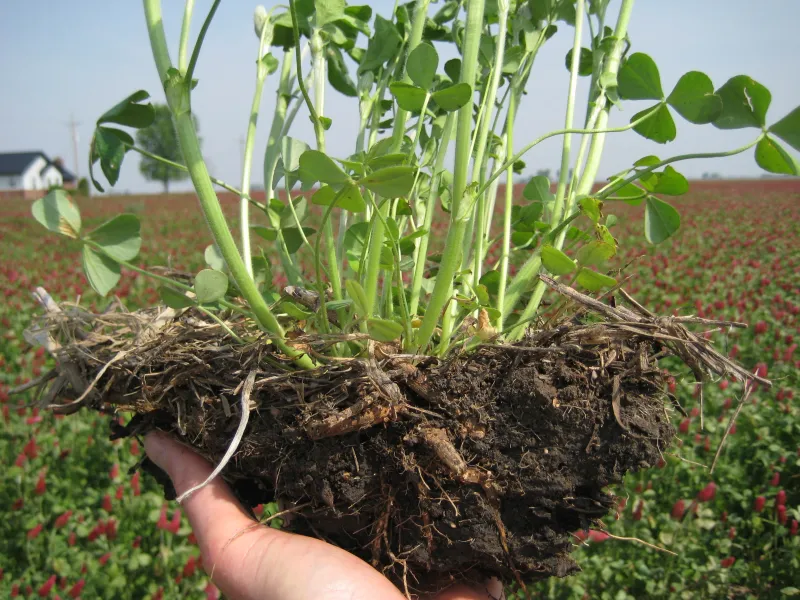
The big question, of course, is: how do you get rid of clover? Before we dive into that, let's understand our enemy. Clover, scientifically known as *Trifolium repens*, is that cute little plant with the three leaves (sometimes four, if you're lucky!). It's actually a legume, which means it can fix nitrogen in the soil. Sounds good, right? Except… it thrives in nutrient-poor soil. Meaning, if your grass isn't getting enough nutrients, clover will happily move in and take over.
So, the first step is… (drumroll, please)… soil testing! I know, I know, it sounds boring. But trust me, it's crucial. You can buy a soil testing kit at any garden center or even online. Follow the instructions carefully, and you'll get a report telling you exactly what your soil is lacking. This is super important - you can't just throw random fertilizer around and hope for the best (I tried that once, and let's just say the results were... interesting. More weeds than ever!).
Once you know what your soil needs, fertilize! Choose a fertilizer that's specifically formulated for your type of grass, and apply it according to the package directions. A healthy, well-fed lawn is the best defense against clover. Think of it like building a strong immune system for your grass. Fertilizer is your vitamins! And make sure to choose the right type. Slow-release fertilizers are your friend here, providing a consistent source of nutrients over time.
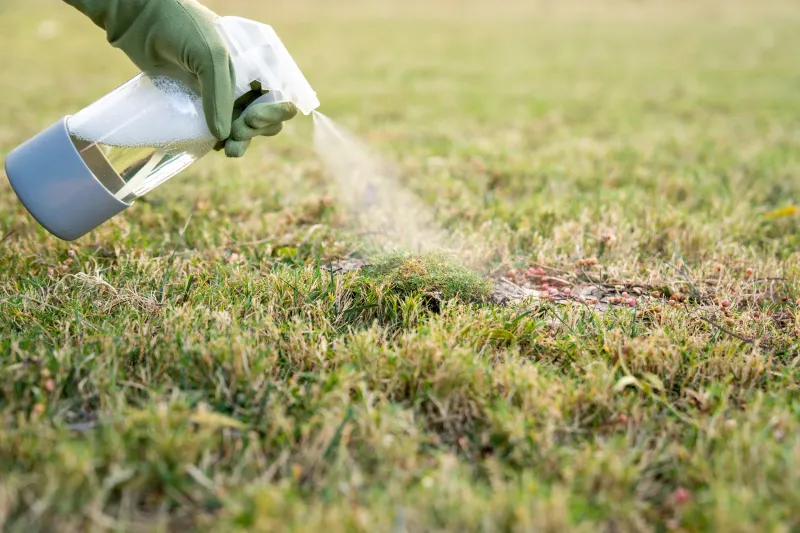
Now, let's talk about weed killers. There are two main types: selective and non-selective. Non-selective weed killers will kill *everything* they touch, including your precious grass. So, unless you want to start from scratch (not recommended!), you'll want to use a selective herbicide that's specifically designed to kill broadleaf weeds like clover, but leave your grass unharmed. Make sure to read the label carefully before applying it, and follow the instructions precisely. Safety first, always!
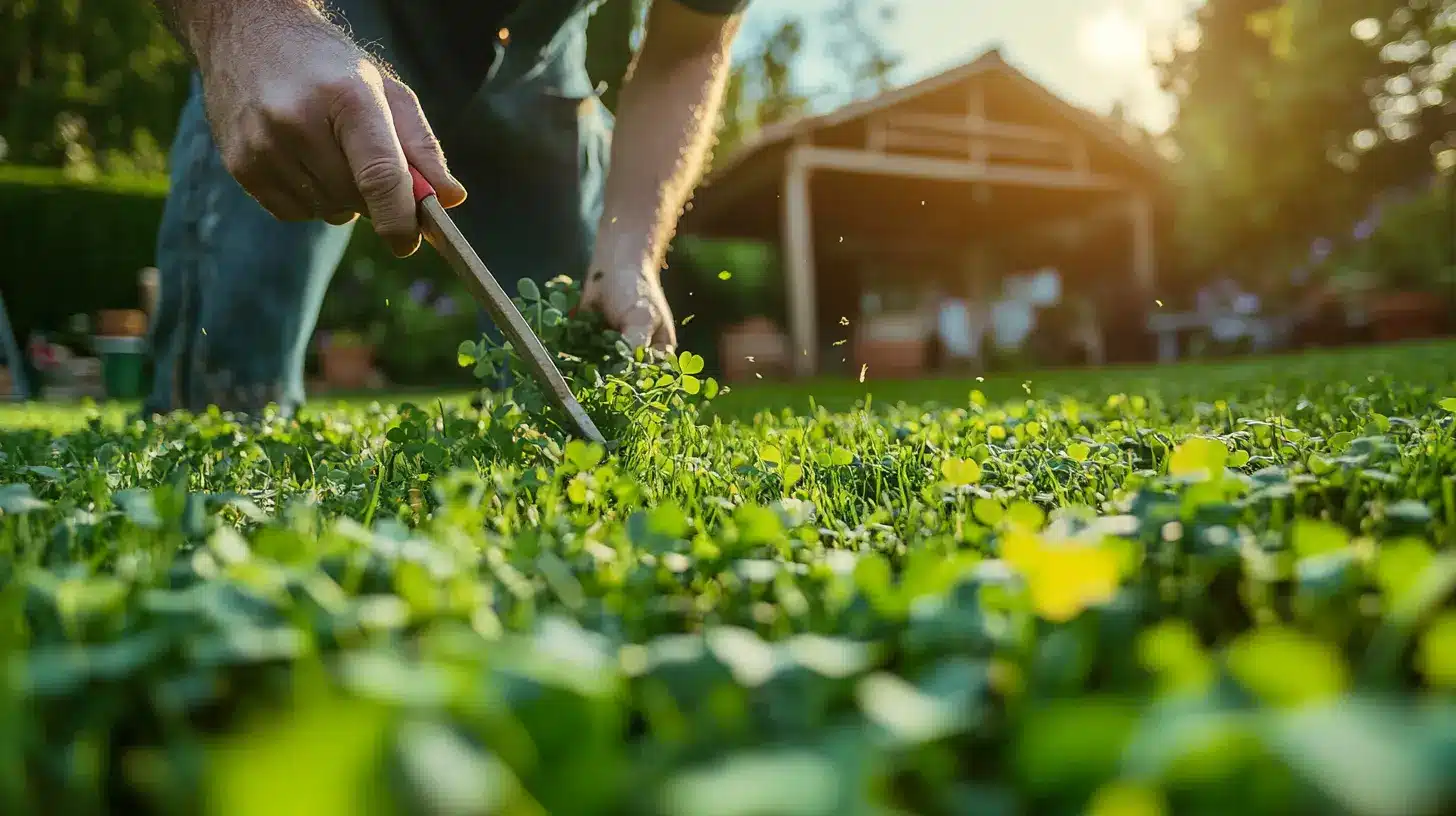
Manual removal is also an option, especially if you only have a small patch of clover. Grab a weeding tool and dig up the entire plant, roots and all. Be persistent, because clover can be sneaky and re-grow from any remaining roots. It's a bit of a workout, I'll admit, but it's a great way to get some fresh air and sunshine (while also declaring war on those pesky clovers!). Bonus: it's pretty satisfying pulling them out, one by one.
Another tactic is to adjust your mowing height. Clover thrives in shorter grass, so raising your mower blade a bit can help give your grass a competitive edge. Aim for a mowing height of around 2.5 to 3 inches. Taller grass shades the soil, which helps prevent clover seeds from germinating. It's a simple trick, but it can make a big difference.
Overseeding is also a good idea, especially in areas where the clover has thinned out your grass. Overseeding means spreading grass seed over your existing lawn to fill in any bare patches. This will help create a thicker, denser lawn that's less susceptible to clover invasion.
And finally, remember that persistence is key! Getting rid of clover isn't a one-time fix. It's an ongoing process that requires consistent effort. You may need to repeat some of these steps several times before you see results. But don't give up! With a little patience and perseverance, you can get rid of the clover and have the beautiful, green lawn you've always dreamed of. You got this!
Pro-tip: I've found that applying a pre-emergent herbicide in the spring can help prevent clover seeds from germinating in the first place. Consider this as a preventive measure to stop them before they even start!
So, there you have it! My secrets to vanquishing those clover invaders. Remember, a healthy lawn is a happy lawn (and a clover-free lawn!). Now go forth and conquer those clovers! Bonne chance!