Comment Faire Une Page De Garde De Chimie

Okay, so picture this: Me, slumped over my desk at 2 AM, eyes bloodshot, surrounded by textbooks thicker than my skull. The culprit? A looming chemistry lab report. And not just the report itself, oh no, but the dreaded *cover page*. Yes, the piece of paper designed to introduce all that beautiful (and terrifying) science to the professor. Ironic, isn't it? The one thing that *should* be simple, nearly broke me.
Turns out, I wasn't alone. A quick poll of my friends (conducted via panicked group chat, naturally) revealed a universal dread of… the chemistry cover page! So, for all of you facing similar cover-page-induced existential dread, let's break this down, shall we? This isn't rocket science (though it *is* related to chemistry, which… sometimes feels like rocket science!).
The Anatomy of a Winning Chemistry Cover Page
Think of your cover page as a first impression. You wouldn't show up to a job interview in your pajamas (unless you're Mark Zuckerberg, maybe), would you? So, let’s dress up that report!
Essential Ingredients:
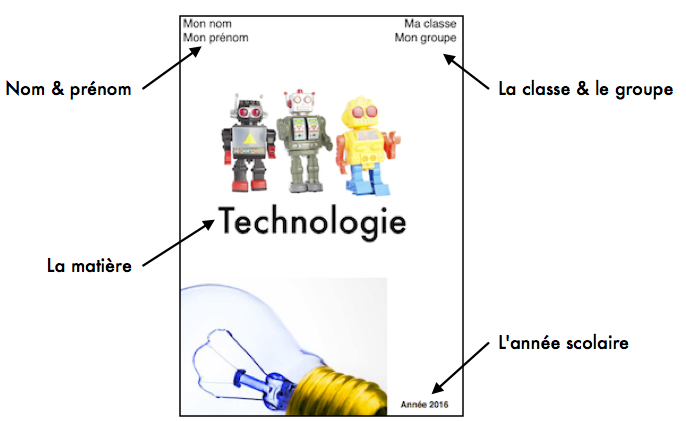
- Title of the Experiment: Sounds obvious, right? But be *precise*. "Lab Report #3" isn't going to cut it. Think "Titration of Acetic Acid with Sodium Hydroxide" – you know, something that *actually* tells the professor what they're about to grade.
- Your Name & Student ID: Yep, gotta identify yourself! Professors have a *lot* of students. Help them out. (Side note: triple-check your student ID. Trust me on this one.)
- Course Name & Number: Again, be specific! "Chemistry" isn't enough. "Organic Chemistry II - CHEM 302" is much better.
- Professor's Name: Don't misspell it! (Seriously. Don't.)
- Date of the Experiment (or Submission Date): This is crucial. Demonstrates you're organized (or at least *trying* to be).
Bonus Points (Optional, but Recommended!)
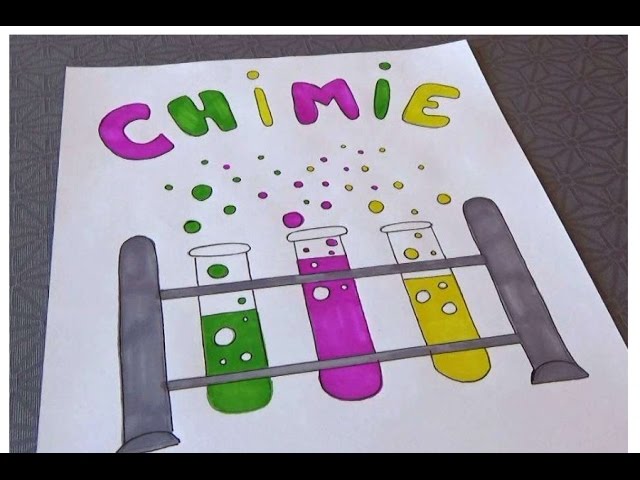
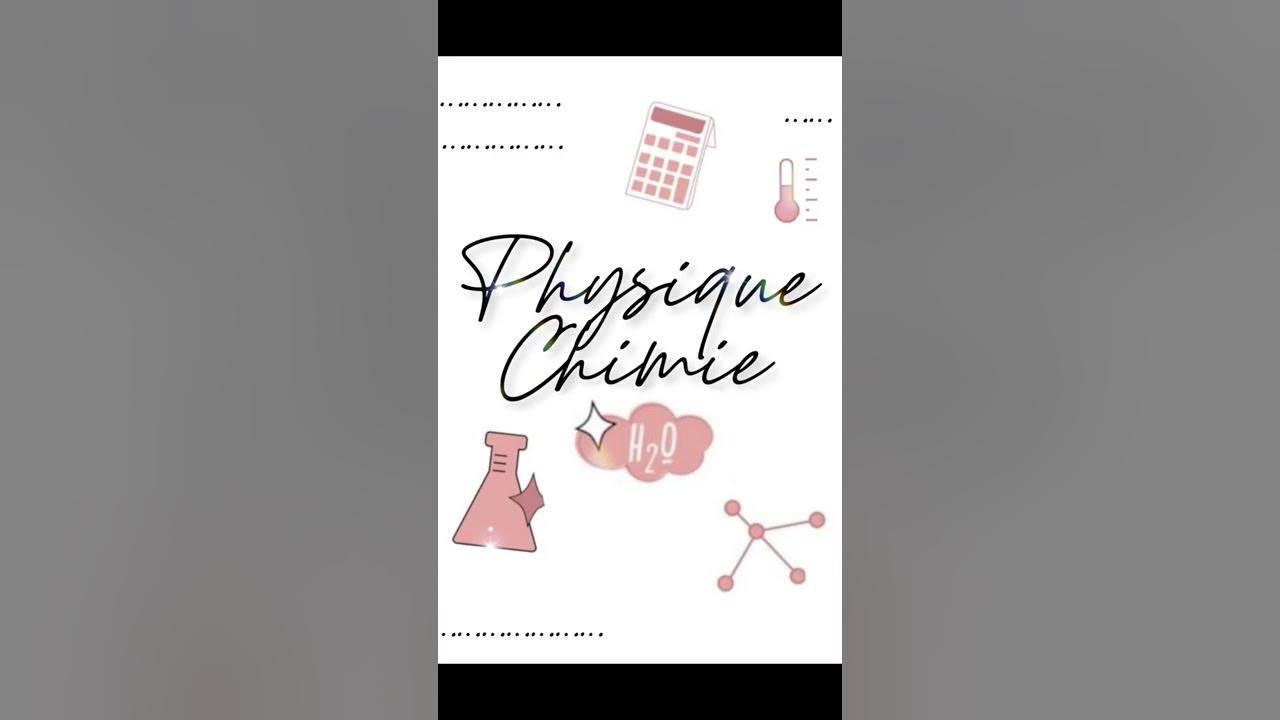
- A Relevant Image: Okay, this is where you can get creative. A cool molecule diagram? A picture of you (safely) conducting the experiment? Just make sure it's *appropriate* and *relevant*. A picture of your cat, adorable as it may be, probably doesn't belong. Unless… your experiment involved feline pheromones? Okay, maybe then.
- A Brief Abstract (Sometimes): Check with your professor if they require this. A short summary of the experiment, its purpose, and the key findings. Keep it concise!
Formatting: Making it Look Good
Now that we know what to include, let's talk presentation. Nobody wants to read a cover page that looks like it was designed by a toddler (no offense to toddlers).
Tips for a Visually Appealing Cover Page:
- Keep it Clean and Simple: Avoid clutter! White space is your friend.
- Use a Professional Font: Times New Roman, Arial, Calibri – these are your reliable choices. Save the Comic Sans for your birthday party invitations.
- Consistent Formatting: Use the same font size and style for headings throughout.
- Proper Alignment: Center-align the title and your information neatly.
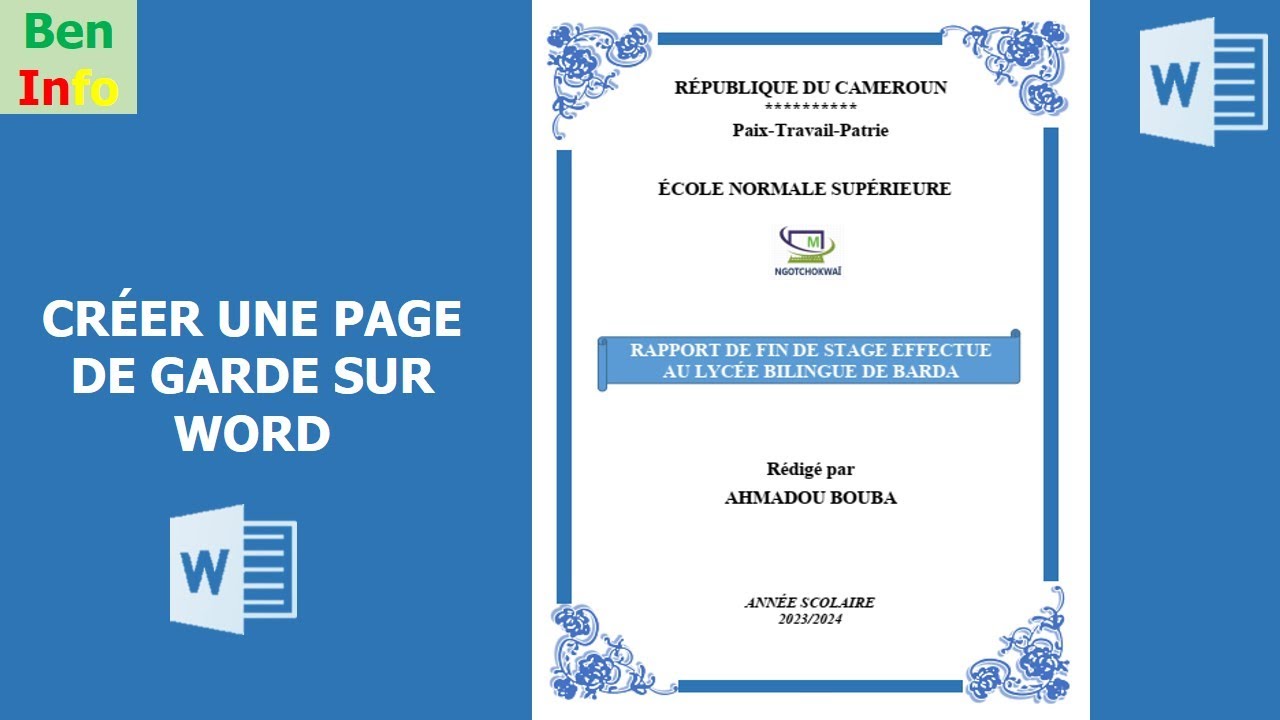
- Use Software Wisely: Microsoft Word, Google Docs, even Canva can help you create a presentable cover page.
Common Mistakes to Avoid
Let's learn from my (and others') past cover page failures, shall we?
- Spelling Errors: Proofread! Proofread! Proofread! Especially the title of the experiment. Nothing screams "I didn't care" like a misspelled scientific term.
- Missing Information: Double-check that you've included everything required.
- Overly Decorated: Restraint, my friend. Less is more. Think "elegant simplicity" rather than "glitter bomb explosion."
- Submitting the Wrong File: I know someone (it may or may not have been me) who once submitted a completely blank document as their lab report. Don't be that person.
So there you have it! Creating a chemistry cover page doesn't have to be a soul-crushing experience. Follow these tips, and you'll be well on your way to impressing your professor (or, at the very least, avoiding a deduction in points). Remember, it's just a cover page – you've got this! Now, go conquer that chemistry report!