Comment Faire Un Drive Partage Avec Video
Sharing is caring, and in today's digital world, that often means sharing files! Shared drives, especially those with video capabilities, have become incredibly popular for good reason. Whether you're coordinating a family vacation, collaborating on a school project, or simply trying to declutter your digital life, knowing how to effectively set up and use a shared drive is a game-changer.
Why is this so important? Think about it: How often have you emailed large files back and forth, only to have them bounce or get lost in the shuffle? Shared drives eliminate this headache. For individuals, it offers a central location to store and access important documents, photos, and videos from any device. This means no more frantically searching for that one document on your old laptop! For families, it's perfect for creating a shared photo album of family events, keeping track of important medical records, or planning that dream vacation together. Everyone can contribute and access the information, staying on the same page. And for communities or groups, it facilitates collaboration on projects, sharing resources, and building a collective memory.
Let’s look at some examples. Imagine a family setting up a shared drive to collect all the photos and videos from a recent family reunion. Everyone can upload their content, creating a complete archive accessible to all family members. Or, consider a group of friends planning a weekend getaway. They can use a shared drive to store itineraries, booking confirmations, packing lists, and even create a collaborative playlist for the trip. A student group working on a presentation could use a shared drive to share drafts, research materials, and the final presentation slides, ensuring everyone is working with the most up-to-date version. The possibilities are endless!
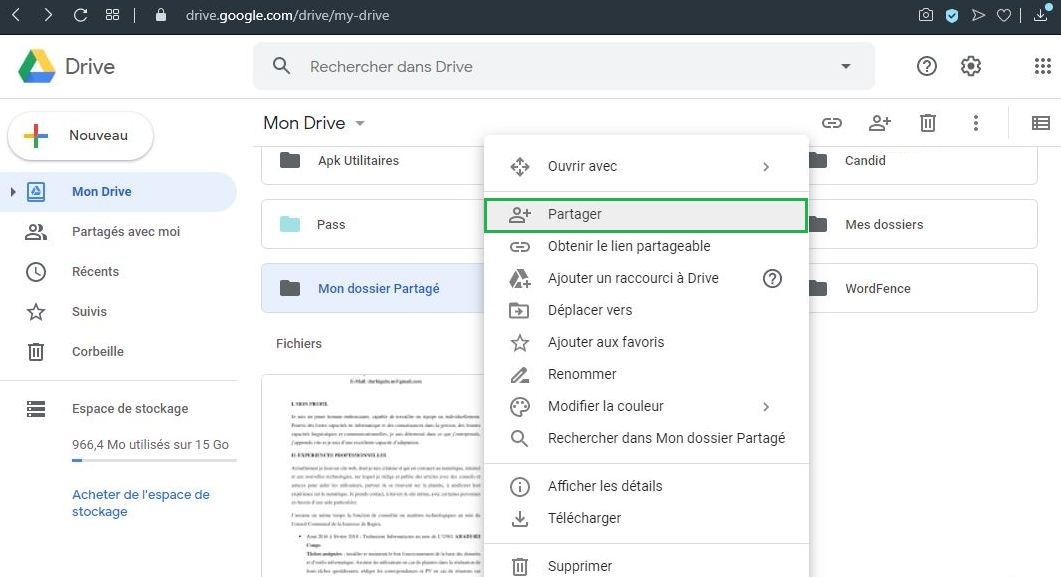
So, how do you actually create a shared drive with video capabilities? Here are a few practical tips:
- Choose the right platform: Google Drive, OneDrive, Dropbox are all popular choices offering shared drive functionality. Research which platform best suits your needs in terms of storage space, features, and price.
- Create a folder structure: Organize your drive with clear and intuitive folders. For example, "Family Photos," "Vacation Planning," "School Projects." This makes it easier for everyone to find what they need.
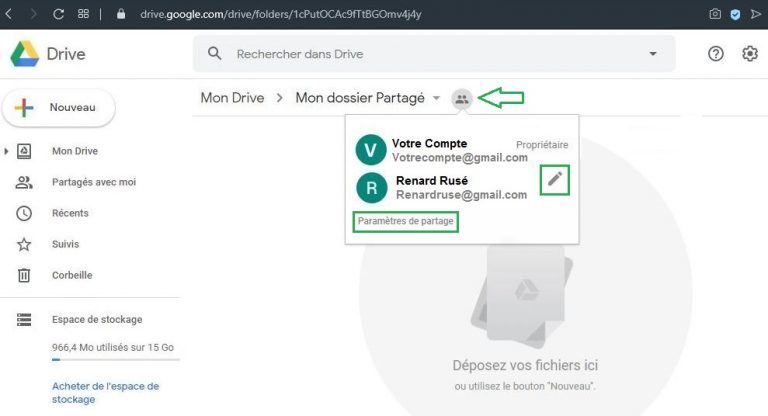
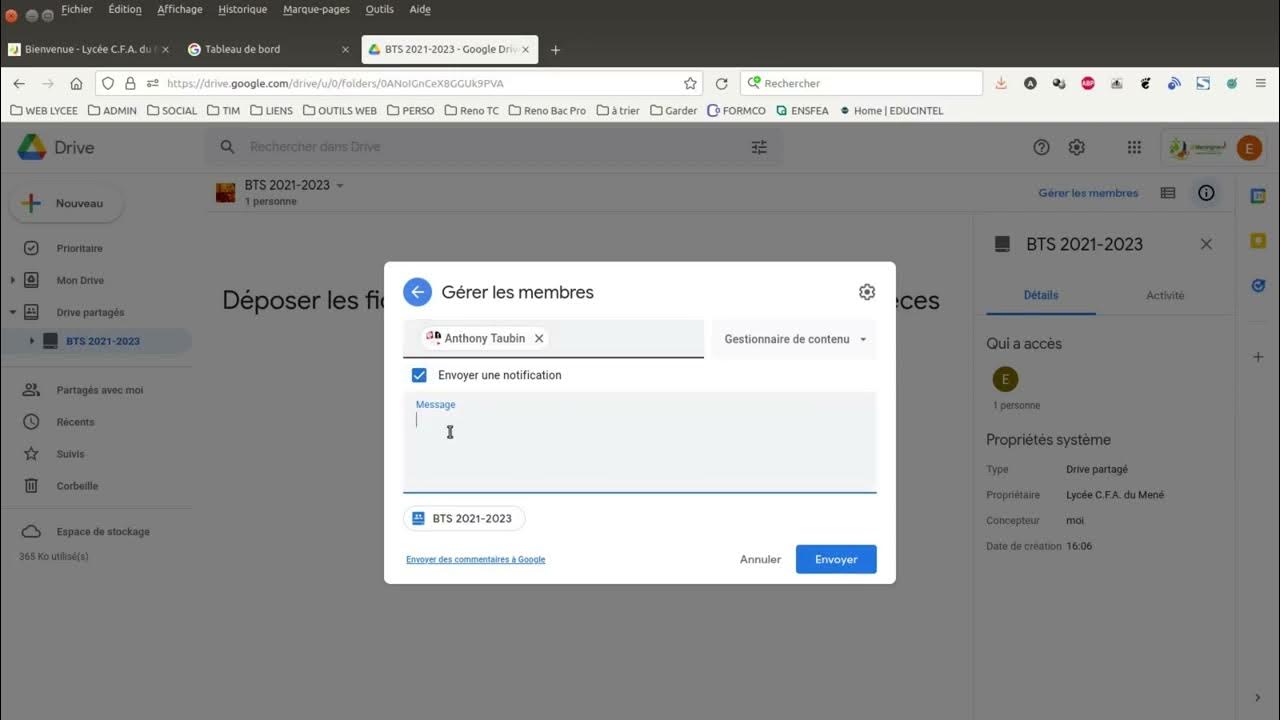
- Set permissions carefully: Control who has access to what. You can grant different levels of access, such as view-only, comment-only, or full editing rights. Be mindful of who you are granting full access to.
- Utilize video streaming options: Most platforms allow you to stream videos directly from the drive. This avoids the need to download large files, saving bandwidth and storage space.
- Encourage participation: Regularly remind participants to contribute content and keep the drive organized. A shared drive is only useful if everyone actively participates.
In conclusion, mastering the art of creating and managing a shared drive with video capabilities is a valuable skill in today's interconnected world. It streamlines collaboration, fosters communication, and simplifies the sharing of information. Embrace the power of shared drives and experience the benefits for yourself, your family, and your community. It's a small step that can make a big difference in staying connected and organized.