Comment Faire Un Diagnostique De Peau En Video

Ok, confession time. Last week, I spent a solid hour staring at my reflection, poking, prodding, and generally stressing about... my pores. Yes, really. I even zoomed in with my phone camera, which, let me tell you, is NOT a good idea for anyone's self-esteem. I ended up down a rabbit hole of YouTube videos, each promising the secret to flawless skin. And that's when it hit me: maybe I should actually *understand* my skin before slathering it with whatever trendy serum the algorithm throws at me. Sound familiar? (Don't worry, we've all been there.) That’s when I started looking at video skin diagnostics.
So, how do you actually figure out what’s going on with your face via video? Well, there are a few ways to tackle this, and some are definitely more reliable than others. Forget blurry selfies in bad lighting. We need to be a little more strategic here. Think of it as becoming your own at-home skincare detective! You with me?
DIY Video Skin Assessment: Your Quick & (Relatively) Easy Guide
First things first: Lighting is KEY. Seriously, this can make or break your entire attempt. Think natural light, if possible. Avoid harsh overhead lighting that casts weird shadows. Stand near a window, facing the light. The goal is even, diffused illumination. No disco balls, please! (Unless, of course, that's your vibe. But for skincare diagnostics, not so much.)
Next up: Go bare-faced. No makeup, no creams, no filters. Wash your face with a gentle cleanser and pat it dry. We need to see your skin in its natural state, warts and all! (Okay, maybe not *warts*, but you get the idea.) Let it rest for a good 30 minutes before starting. This allows your skin's natural oils to resurface, giving you a more accurate picture.
Now, grab your phone or tablet (the camera on your device will do the trick) and start recording. Think of it like a mini-interview with your skin. Be thorough!
Here’s what to focus on:
- Overall Texture: Is your skin smooth, rough, bumpy? Look for areas of unevenness, texture, or discoloration.
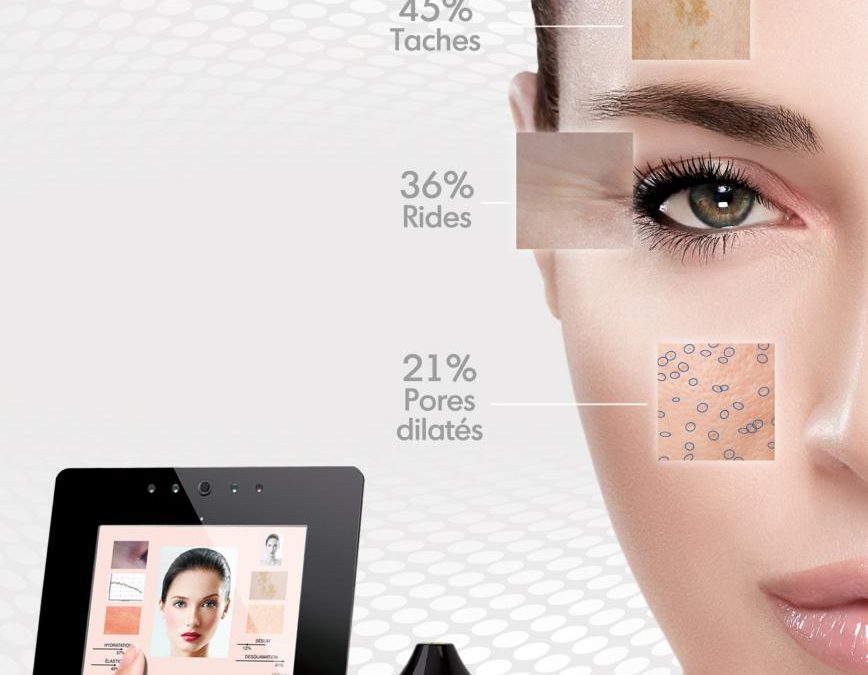
- Pores: Are they large and noticeable? Small and barely visible? Take a close-up shot of areas where you have the most pores (usually around the nose, forehead, and chin – the dreaded T-zone!).
- Redness: Note any areas of redness or inflammation. Is it just around the nose and cheeks (possibly rosacea)? Or is it more widespread?
- Dryness/Oiliness: Does your skin look shiny or flaky? Does it feel tight or greasy? Pay attention to where you see oil production (forehead? Nose?).
- Wrinkles/Fine Lines: Where are they most prominent? Around your eyes? Mouth? Forehead? (Don't worry, we all get them!)
- Pigmentation: Look for sunspots, age spots, or any other areas of discoloration. Are they new? Have they changed in size or color? (Important to monitor!)
As you record, narrate what you see. Seriously, talk to your camera! "I'm noticing some redness around my cheeks," or "My forehead is really oily by midday." This will help you remember what you were seeing later.
Level Up: Online Skin Diagnostic Tools
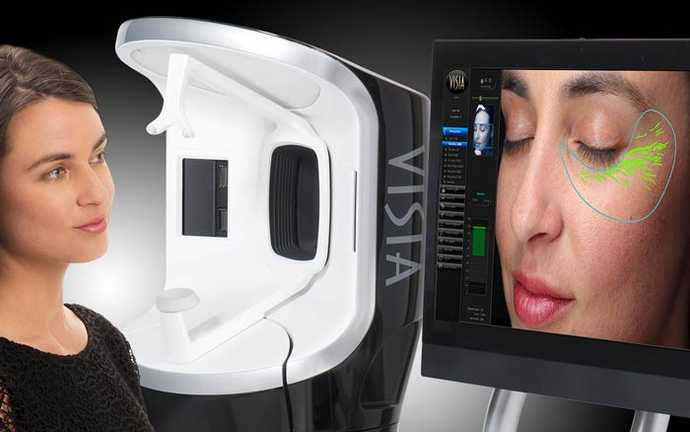
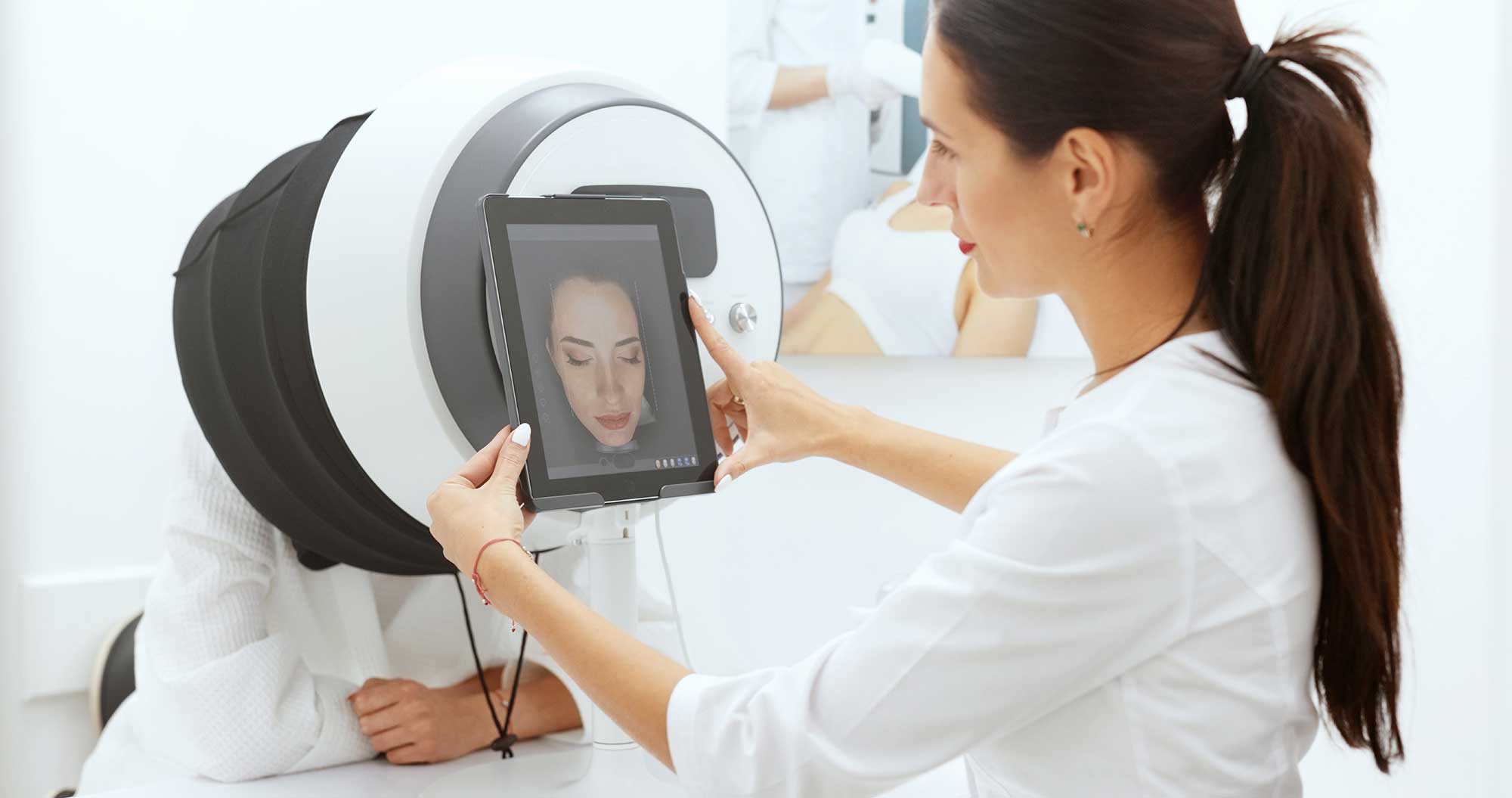
Okay, so you've got your video. Now what? There are a ton of online tools that offer skin diagnostics based on photos and videos. Some are free, some require a subscription. Proceed with caution! Not all of these are created equal. Some are just glorified quizzes designed to sell you products.
Do your research! Look for reputable brands or dermatologists who offer online consultations. Read reviews! (And don't believe everything you read, either. You know how it goes.)
The Real Deal: Consulting a Professional
Let's be honest: a video and an online tool can only take you so far. The best way to truly understand your skin is to see a dermatologist or licensed esthetician. They can assess your skin in person, ask you questions about your lifestyle and skincare routine, and recommend a personalized treatment plan. Think of the video diagnostic as a helpful first step, but not a replacement for expert advice.
Ultimately, understanding your skin is a journey, not a destination. Be patient, be observant, and don't be afraid to experiment (within reason!). And maybe, just maybe, lay off the zoomed-in selfies for a while. Your self-esteem will thank you.