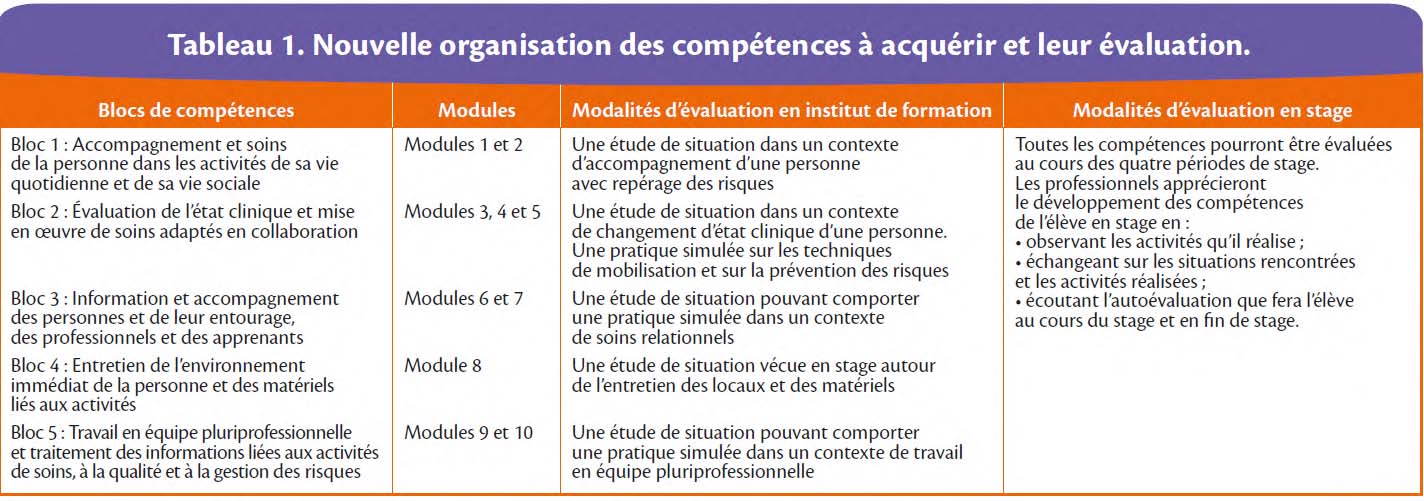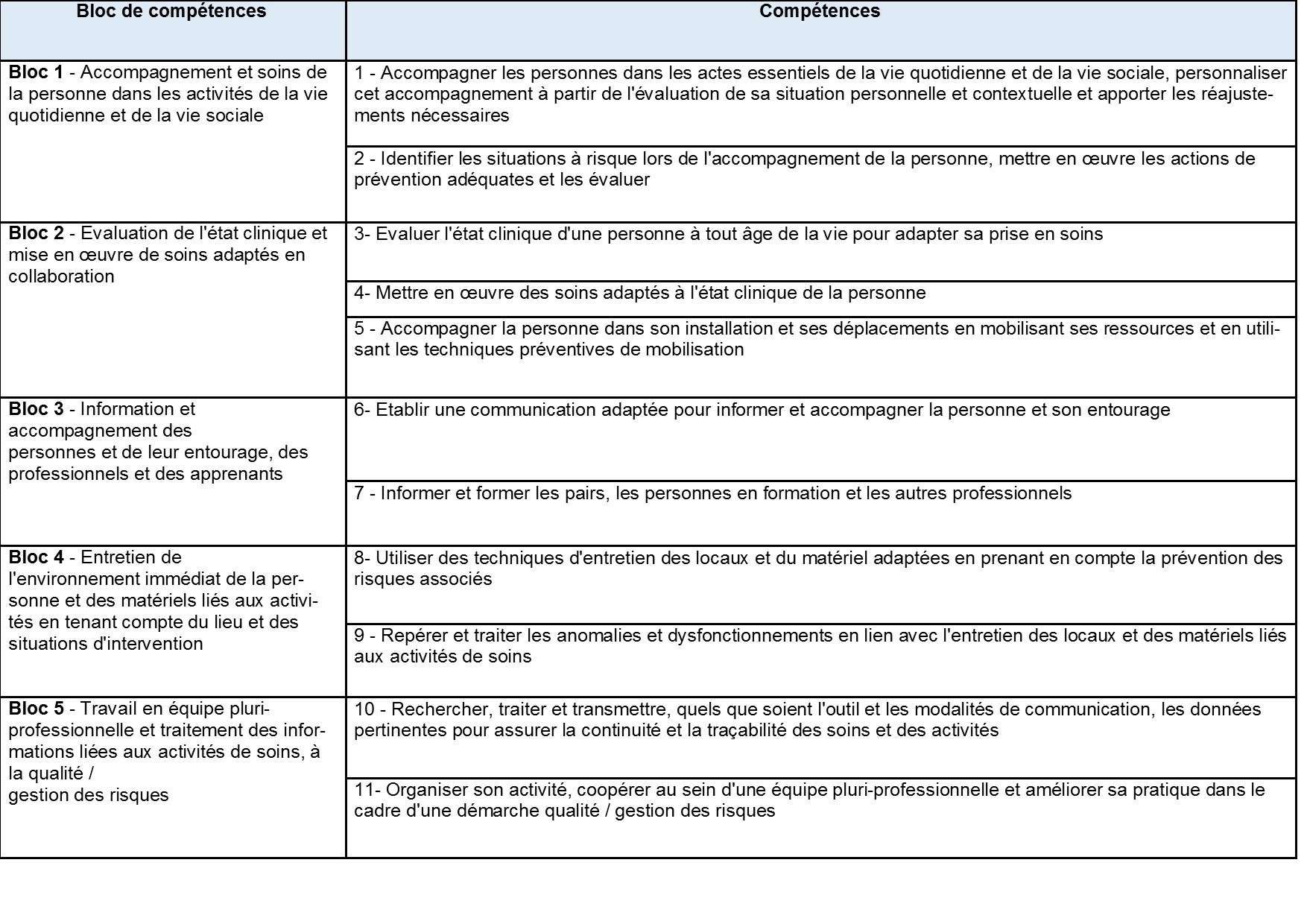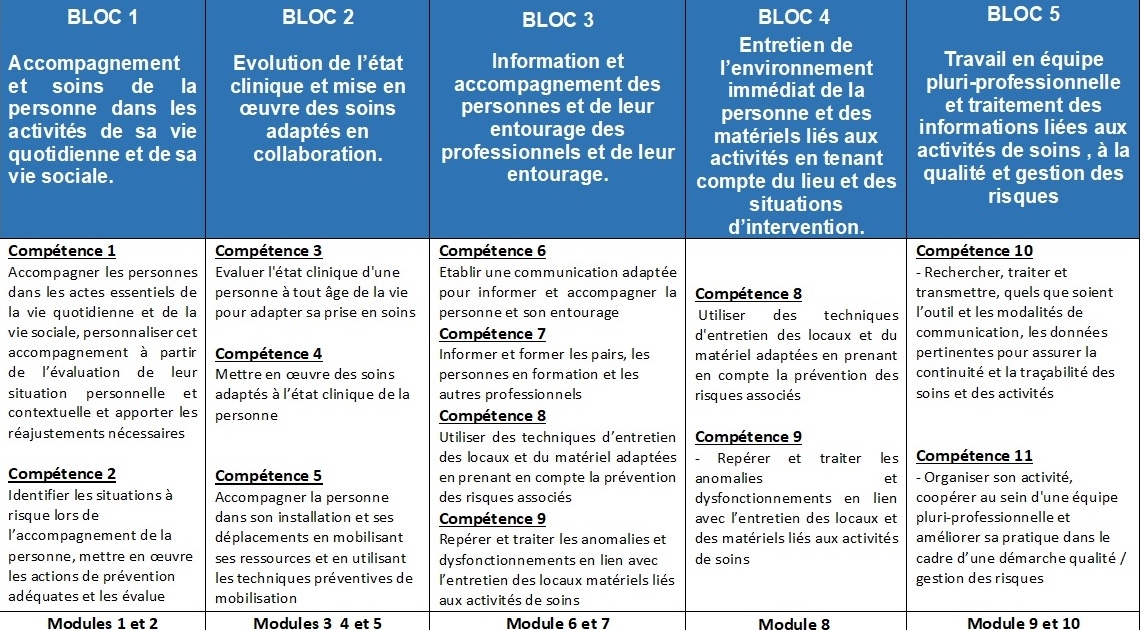
Cas Concret Module 4 Aide Soignant

Okay, let me tell you a quick story. The other day, I overheard two *aides-soignantes* chatting during their lunch break. One was practically glowing, talking about how she finally “gets” the whole pressure ulcer thing. The other just looked…defeated. Apparently, she’s struggling with Module 4 – the infamous "Soins de confort, d'hygiène et de sécurité". Sound familiar? 😉
It got me thinking: why is Module 4 such a *bete noire* for so many aspiring *aides-soignantes*? Is it the sheer volume of information? The seemingly endless list of procedures? Or maybe it's just the pressure of knowing that *real people* depend on you to get it right. Whatever the reason, let's dive in, shall we? We're here to decode this module together!
Le Contexte: Bien Plus que de l'Eau et du Savon
At its core, Module 4 is all about providing comfort, hygiene, and safety to patients. Sounds simple enough, right? Except, it's *not* just about washing someone's face. It's about understanding their individual needs, respecting their dignity, and ensuring their well-being. Think of it as being a caregiver *extraordinaire*. That means you are responsible for:
- L'hygiène corporelle : The basics - shower or bed bath. But done with empathy and according to individual patient needs.
- L'alimentation : Not just serving the meal, but assisting and providing encouragement to those with appetite difficulties.
- L'élimination : Bowel and bladder management, including understanding different types of catheters, ostomy care...yikes!
- Le confort : Positioning, skincare, pain management (always in collaboration with the nurse, of course!).
- La sécurité : Preventing falls, infections, and other potential risks. *Très important!*
It's a holistic approach, aiming to enhance the quality of life for those in your care. No pressure, right? 😉
Les Défis et les Pièges à Éviter
So, what makes Module 4 particularly challenging? Well, a few things stand out:
- La Quantité d'Informations : There’s *a lot* to learn. From hygiene protocols to different types of equipment, it can feel overwhelming. My advice? Break it down into smaller, manageable chunks.
- L'Application Pratique : Reading about something is one thing; actually doing it is another. Practice makes perfect (or at least, less nerve-wracking!). Take advantage of any opportunities to observe and assist experienced *aides-soignantes*.
- La Communication : Communicating with patients, especially those with cognitive impairments or language barriers, can be tricky. Be patient, be empathetic, and learn to read non-verbal cues.
- Le Cadre Légale : Knowledge of protocoles, legal responsibility, knowing your limits - crucial to practice with confidence.
Common pitfalls? Rushing through procedures, neglecting patient dignity, and failing to communicate effectively. Remember, it's not just about getting the job done; it's about doing it with compassion and *respect*.
Conseils et Astuces pour Surmonter le Module 4
Okay, enough with the doom and gloom. Here are a few tips to help you conquer Module 4:
- Réviser régulièrement : Don't cram everything in at the last minute! Space out your study sessions and revisit key concepts regularly. Flashcards and mind maps can be your friends.
- Mettre en pratique : Whenever possible, get hands-on experience. Volunteer, shadow a professional, or practice with friends/family.
- Poser des questions : Don't be afraid to ask questions! Your instructors and fellow students are there to help. There's no such thing as a stupid question (well, almost).
- Créer des fiches : Summarize key information on flashcards. Focus on procedures, important terms, and legal responsibilities.
- Trouver un groupe d'étude : Studying with others can be a great way to stay motivated and learn from different perspectives. Plus, misery loves company, right? (Just kidding... mostly.)
- Ne pas s'oublier : Taking care of patients is important, but don't forget to take care of yourself! Get enough sleep, eat healthy, and find ways to de-stress. Burnout is *real*, people!
Think of Module 4 not as a hurdle, but as a *building block* in your career. It's laying the foundation for you to provide excellent care and make a real difference in people's lives. And who knows, maybe one day *you'll* be the aide-soignante glowing with pride as you explain the intricacies of pressure ulcer prevention to a struggling student. 😉
So, take a deep breath, grab your textbooks, and get to work. You've got this! 💪 And if you need a pep talk, you know where to find me! Good luck and happy studying!